
Furnace Installation in Richmond, VA
A new furnace here will run from October through April every year. Tell us about the house, and a licensed contractor who covers Richmond will get in touch.
Tell us about the job
It takes about a minute.
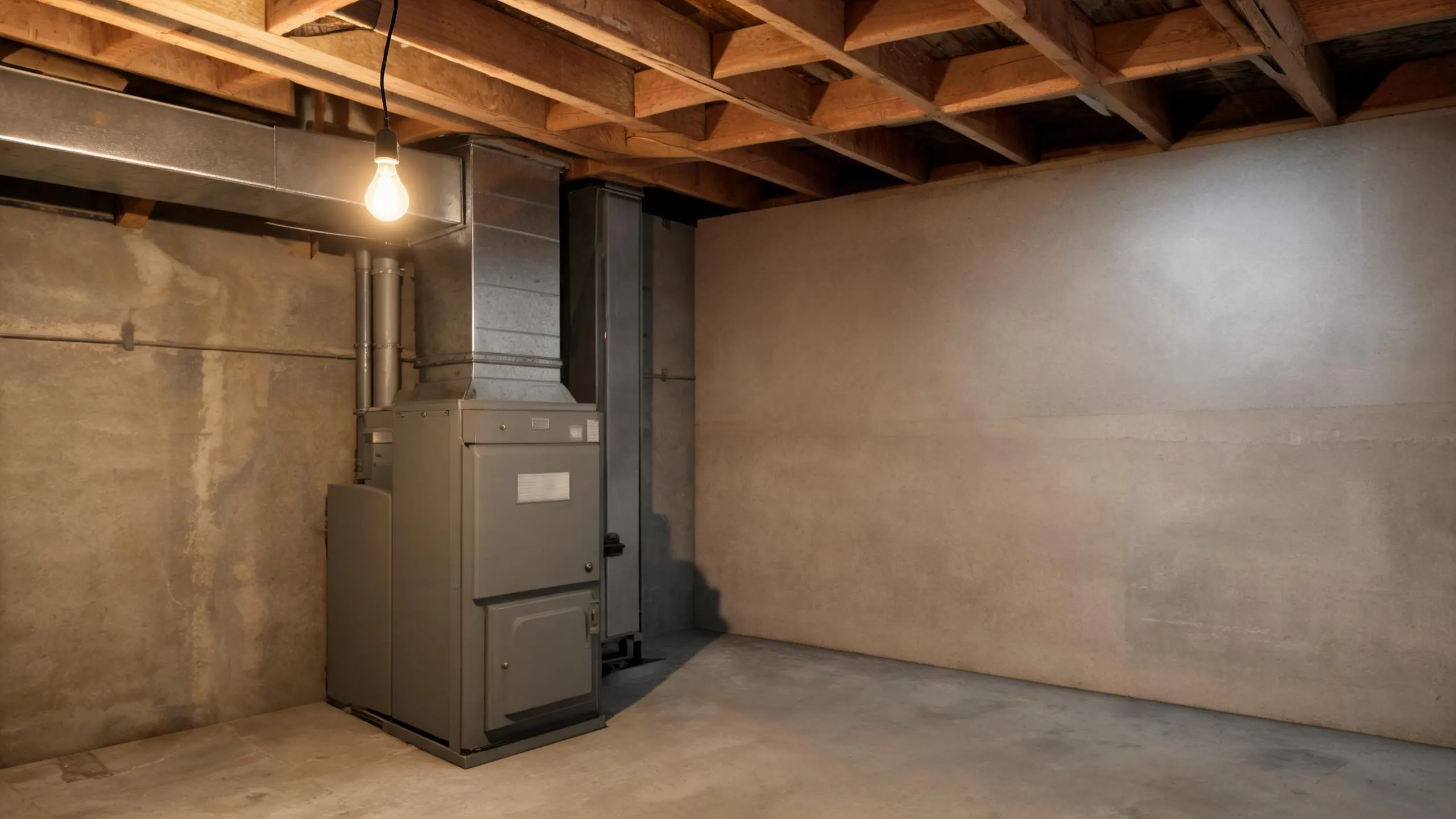
Richmond asks a lot of a furnace from October to April
Your furnace has seven months of work ahead of it here, from October through April. Winter nights average 30°F, so it is running most nights in that stretch, not just on the coldest ones.
59.6 percent of homes in Richmond heat with electricity. Power does go out here. In Virginia, 22 percent of households lost power for at least 24 hours in 2024, and the region has logged 10 winter storms and 15 damaging wind events over the past ten years. A new gas furnace installed today has to reach at least 80 percent AFUE. That is the federal floor, not a target.
- 7 months
- October through April, your furnace is on duty
- 30°F
- the average winter night it heats against
- 80% AFUE
- the federal minimum any new unit must meet
NOAA nClimDiv, 1991–2020 normals
Virginia requires HVAC contractors to hold a state license.
The license is tied to the contractor, not to any single job, so it stays in place from one project to the next. Work under $1,000 falls outside this requirement, but a furnace installation runs well past that, so the contractor doing this job needs to hold the license.
Because Virginia licenses the contractor, that license is what stands behind this work. Beyond that, most cities and counties in Virginia require a permit for a furnace installation, along with an inspection once the work is finished. That permit and inspection come from the local building office, separate from the state license.
Sources: Virginia General Assembly · Virginia Department of Professional and Occupational Regulation
- What size furnace does my house need?
- The right size depends on your square footage, your insulation, your ceiling height, and how many windows you have, so there's no single number that fits every house. A contractor works this out with a load calculation, not a chart based on home size alone. Too big and the furnace short cycles, heating the air fast and shutting off before the house feels warm. Too small and it runs constantly through those 30°F nights without keeping up. Get someone out to measure your house and calculate it properly rather than matching whatever size is already in there.
- How do I know it's time to replace my furnace?
- Age is the first thing to check. Furnaces have an expected lifespan, and if yours is getting up there, a repair now may just delay a bigger one next winter. Watch for rooms that won't heat evenly, a furnace that cycles on and off more than it used to, or a gas bill that keeps climbing even though nothing else changed. If you're calling for repairs more than once a season, that's usually the sign. With homes here needing heat from October through April, a furnace that's already struggling in the fall is telling you something.
- Is a high-efficiency furnace worth it?
- It depends on how long you plan to stay in the house and what your furnace is doing now. Any non-weatherized gas furnace made since November 2015 already has to reach at least 80 percent AFUE, so even a baseline replacement today is more efficient than an older unit. High-efficiency models push past that minimum, which matters more here since the furnace runs for 7 months of the year. The tradeoff is upfront cost against what you save on gas over years of use, and that math is different for every house. A contractor can walk you through the actual models and what each one would mean for your situation.