Heat Pump Repair in Suffolk, VA
Homes here need heat from October through April and cooling from May through September. If your system quits, tell us what it's doing and a licensed contractor who covers Suffolk will get in touch.
Tell us about the job
It takes about a minute.
Your heat pump works year round here
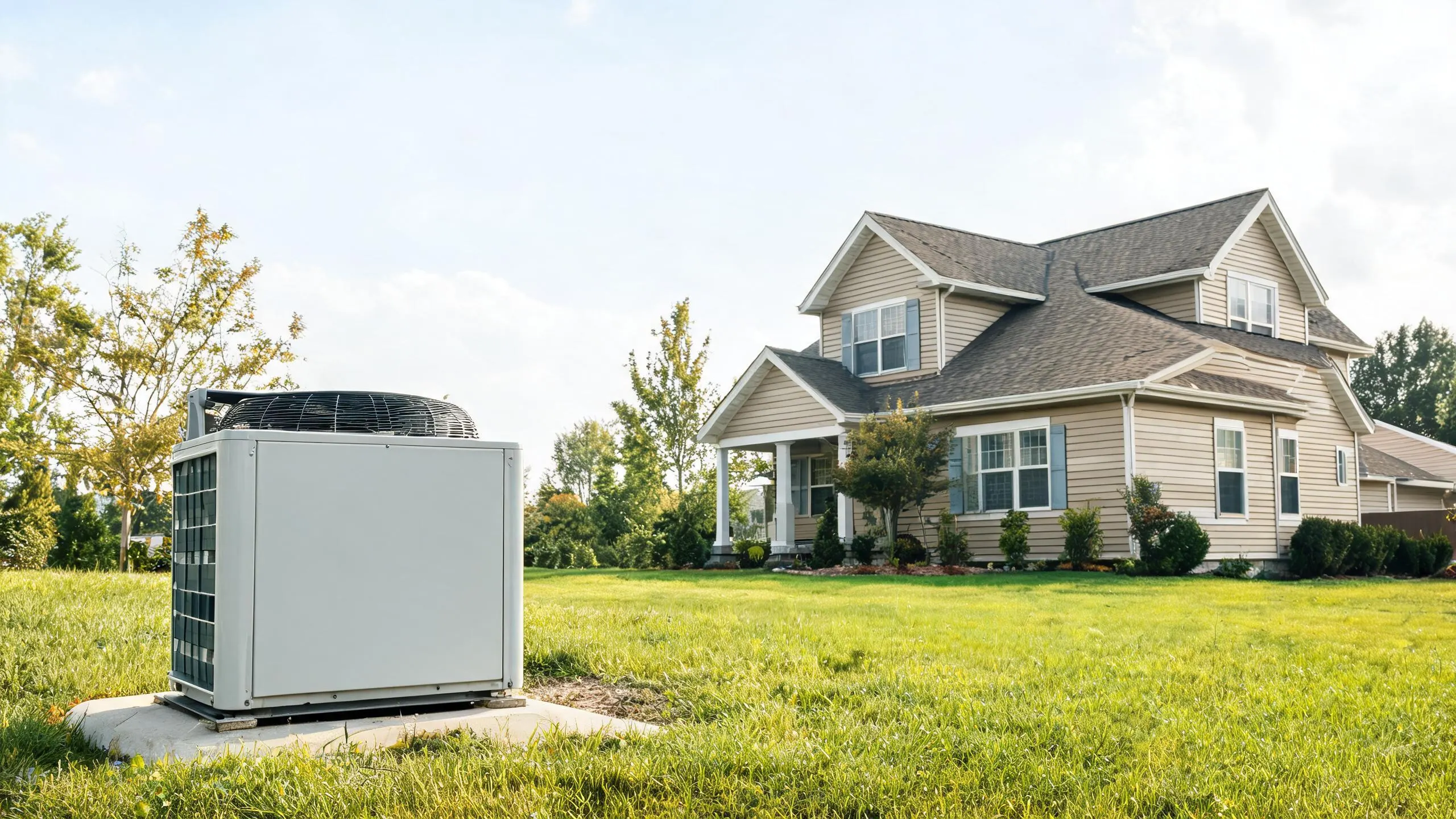
Suffolk asks for heat from October through April and cooling from May through September. That leaves a heat pump running in some form all twelve months, with no real rest between seasons to just sit.
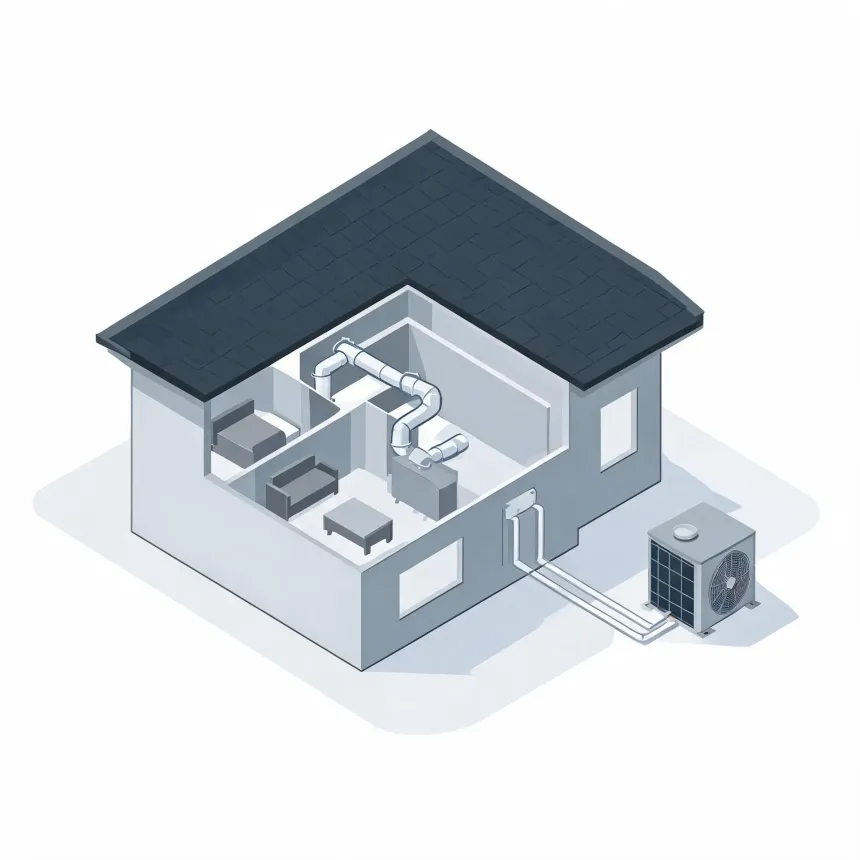
Winter nights averaging 32°F sit right in the range where a heat pump has to work hardest, and summer afternoons averaging 87°F push it hard the other way. That back and forth wears on the compressor and the reversing valve, the part that switches the system between heat and cooling. More than half the homes here heat with electricity, so when the heat pump falters, there is no backup furnace quietly carrying the load. Add in the wind events Suffolk sees most years, and outdoor units built for weather still take hits that loosen electrical connections or damage the fan. You notice it as a system that runs constantly without warming the house, or short cycles on and off, or one that blows air but not the right temperature.
- 7 months
- October through April, your system heats
- 5 months
- May through September, it cools
- 32°F
- the average winter night it heats against
- 87°F
- the average summer afternoon it cools against
NOAA nClimDiv, 1991–2020 normals
Virginia requires HVAC contractors to hold a state license.
The Board for Contractors tests the contractor before issuing the license, and it keeps a record of who holds one. That license covers the business, not each job it takes on. Virginia does carve out an exception for small jobs. Work under $1,000 does not need a licensed contractor. A heat pump repair can fall on either side of that line depending on what is wrong with it.
Most heat pump repairs mean opening the refrigerant lines, and that work needs EPA Section 608 certification. This certification is federal. It applies in every state, regardless of what the Virginia license covers. The state license backs the business taking the job. The federal certification backs the person actually handling the refrigerant.
Sources: Virginia General Assembly · Virginia Department of Professional and Occupational Regulation
- Why is my heat pump blowing cold air?
- In heating mode, a heat pump puts out air that feels cool next to your skin even when it is working right, because the air coming out is warmer than the room but still cooler than body temperature. If the air is actually cold, not just cool, check that your thermostat is set to heat and not fan only. A frozen outdoor coil or a refrigerant leak will also leave you with cold air and a contractor will need to check the charge and the defrost cycle to find out which one it is.
- Why is there ice on my heat pump?
- Some frost on the outdoor unit during winter is normal and your heat pump clears it with a built in defrost cycle. Ice that stays or keeps building up points to a problem, often restricted airflow from a dirty coil or a fan that is not running, or a refrigerant charge that is off. With winter lows here averaging 32°F, the coil runs cold enough that any airflow or refrigerant problem shows up fast as ice, so it is worth having a contractor look at it rather than waiting for it to clear on its own.
- Why is my heat pump running but not cooling?
- If the unit is running but the air is not cool, the most common causes are a dirty filter blocking airflow, a frozen outdoor or indoor coil, or a refrigerant leak. With summer afternoons here reaching 87°F, a heat pump that is low on refrigerant or short on airflow will struggle to keep up and you will notice it fastest on the hottest days. Checking or replacing the filter is something you can do yourself, but diagnosing a coil or refrigerant problem means opening the sealed system, which by federal law takes a technician certified under EPA Section 608.