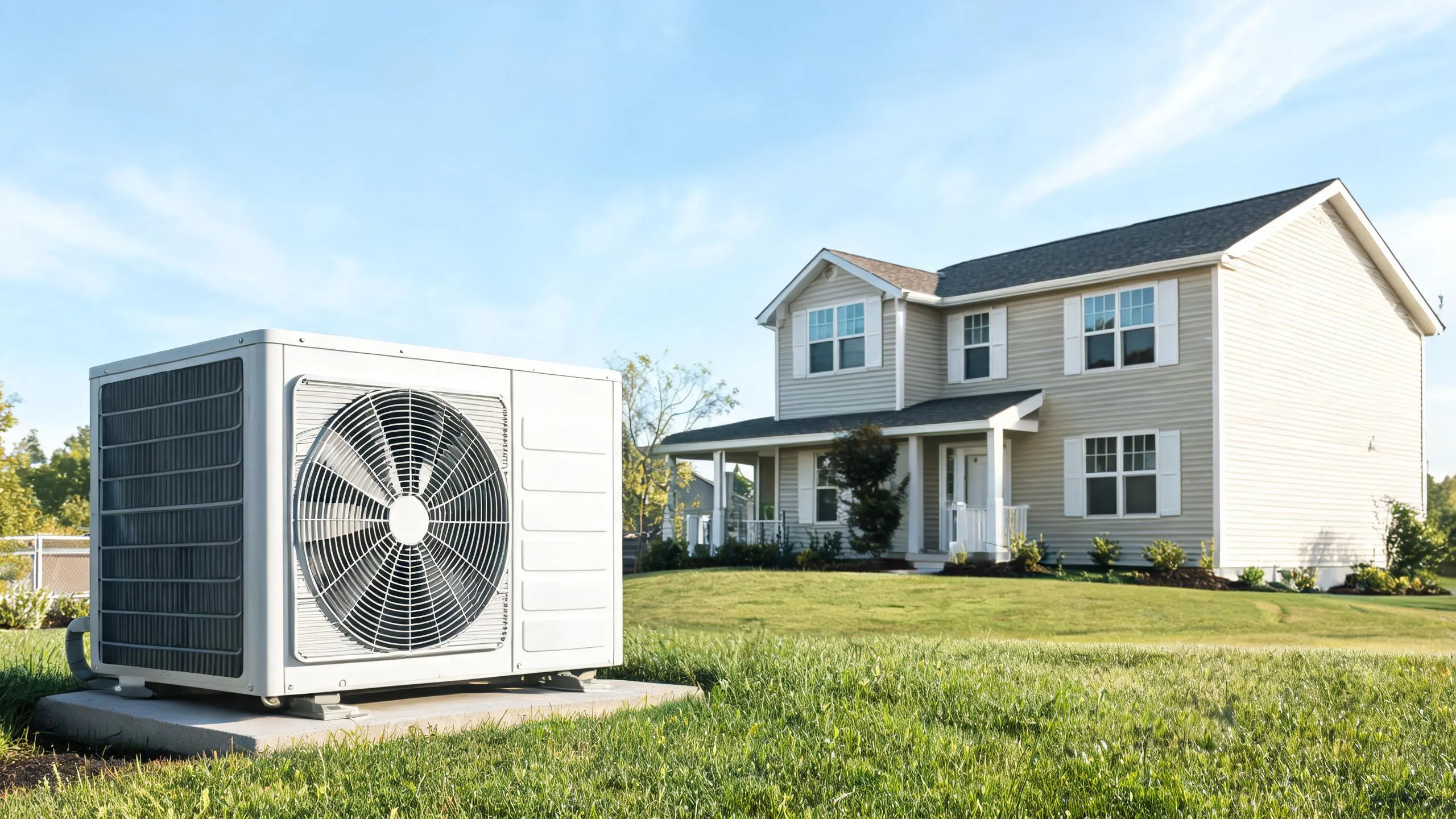
Heat Pump Repair in Virginia Beach, VA
Homes here need heat from November through April and cooling from May through September. If your system quits, tell us what it's doing and a licensed contractor who covers Virginia Beach will get in touch.
Tell us about the job
It takes about a minute.
Your heat pump works almost eleven months a year here
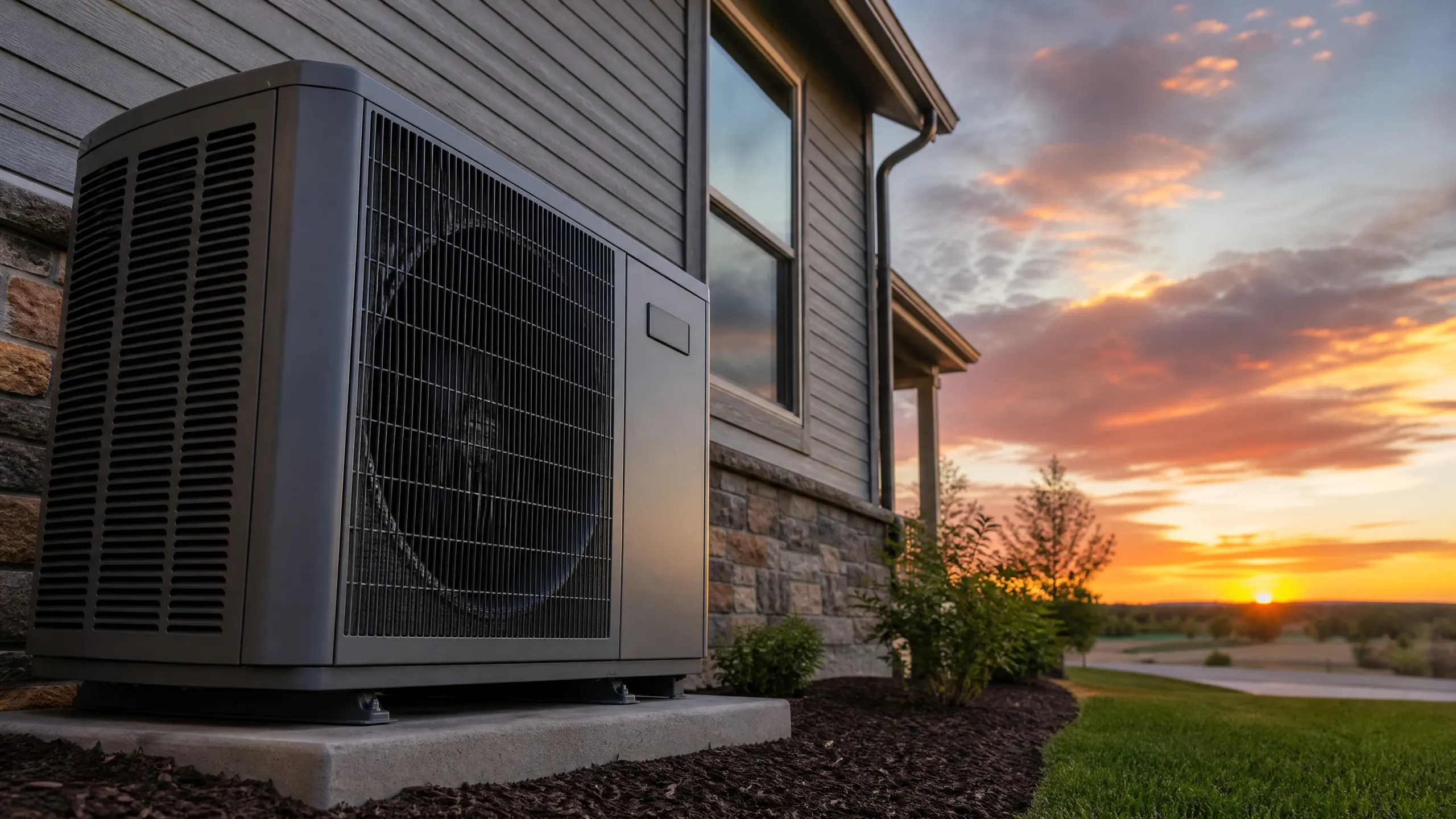
Heat runs November through April, then cooling takes over for May through September. That is eleven months where the system is doing one job or the other, with barely a break before it switches again. Each switchover puts the reversing valve to work, since that is the part that changes the unit from heating to cooling and back.
Winter nights averaging 35°F keep the outdoor unit running defrost cycles to clear ice off the coil. When that cycle falls behind, you will see frost building up on the unit outside or feel air coming out cooler than it should. The area also sees its share of rough weather, 72 damaging wind events and 6 winter storms over the last ten years, which takes a toll on the outdoor unit and the power feeding it. Most heat pumps restart on their own once power comes back, so if yours stays off after an outage, that is worth a look.
- 6 months
- November through April, your system heats
- 5 months
- May through September, it cools
- 35°F
- the average winter night it heats against
- 85°F
- the average summer afternoon it cools against
NOAA nClimDiv, 1991–2020 normals
Virginia requires HVAC contractors to hold a state license.
The license belongs to the contractor, not the job, so it stays in place across every repair they run, this one included. In Virginia, jobs under $1,000 fall outside that requirement, but a heat pump repair often runs past that line once a technician is diagnosing the problem and replacing a part.
Repairing a heat pump usually means opening the refrigerant side of the system, and federal law requires anyone who does that, in every state, to hold EPA Section 608 certification. That is separate from the state license and covers the handling of refrigerant itself. Between the two, a licensed Virginia contractor sending a certified technician is what stands behind the work on this job.
Sources: Virginia General Assembly · Virginia Department of Professional and Occupational Regulation
- Why is my heat pump blowing cold air?
- In winter, that means it's stuck in defrost or running on the backup heat strips instead of the compressor. Heat pumps also blow air that feels cool compared to a furnace even when they're working right, since the air coming out is warmer than the room but still well below body temperature. If the air is truly cold and stays that way, the reversing valve may be stuck in the wrong position, or the system could be low on refrigerant. A contractor can check which it is, but only one licensed under EPA Section 608 can open the refrigerant side to test it.
- Why is there ice on my heat pump?
- Some frost during a winter defrost cycle is normal, especially on cold nights when temperatures drop near 35°F. The unit should clear that ice on its own every hour or so by briefly reversing and running warm. If ice builds up and stays, covering the coil or the fan, something is stopping the defrost cycle from finishing. That's usually a bad defrost control board, a failed sensor, or low refrigerant, and it needs a contractor to sort out before the coil takes damage.
- Why is my heat pump running but not cooling?
- If it's running but the air isn't cold, the most common cause is low refrigerant from a leak. It can also mean the outdoor coil is dirty or blocked, which stops the system from moving heat out of the house the way it should on an 85°F afternoon. A stuck reversing valve will do the same thing, keeping the system in heating mode when it should be cooling. Checking refrigerant level requires a technician certified under EPA Section 608, since that means opening the sealed side of the system.