
HVAC Installation in Aquia Harbour, VA
A new system here will heat from October through April and cool from June through September every year. Tell us about the house, and a licensed contractor who covers Stafford County will get in touch.
Tell us about the job
It takes about a minute.
A system that works most of the year
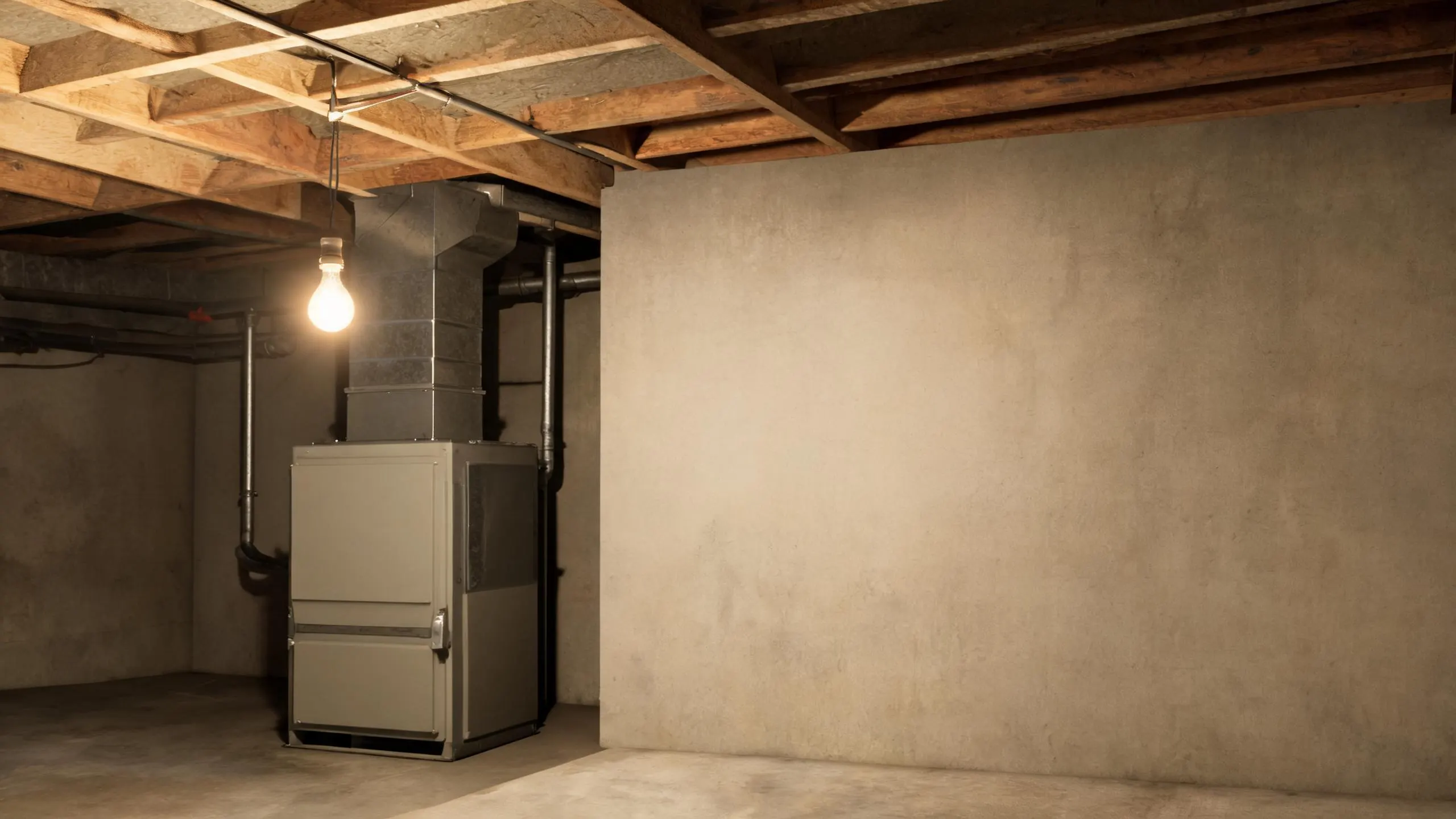
In Aquia Harbour, a heating and cooling system is on the job 11 months out of the year. Heat runs October through April, seven months, with winter nights averaging 28°F. Cooling picks up in June and holds through September, with afternoons averaging 86°F. There is barely a month when the system gets to rest.
That kind of use calls for equipment sized and installed to handle both ends of the year, not just one. Power matters too. 56.3% of homes here heat with electricity, and in 2024, 22% of Virginia households lost power for a day or more. Stafford County has seen 8 winter storms and 132 damaging wind events over the last ten years. A new install is a chance to plan for that, not just for the next cold night or hot afternoon.
- 7 months
- October through April, your system heats
- 4 months
- June through September, it cools
- 28°F
- the average winter night it heats against
- 86°F
- the average summer afternoon it cools against
NOAA nClimDiv, 1991–2020 normals
Virginia requires HVAC contractors to hold a state license.
The Board for Contractors tests and keeps a record of the contractor, not each job, so what stands behind this license is the company's standing, not a paper for this specific installation. Work under $1,000 doesn't need a licensed contractor, but a full heating and cooling installation runs well past that figure, so this is a licensed job.
Beyond the license, the local building office is what holds this installation to account day to day. In most cities and counties, putting in a new furnace, air conditioner or heat pump needs a permit, and an inspection once the work is done. That inspection is what catches a bad connection or a wiring mistake before it becomes a problem, and it is separate from anything the state license covers.
Sources: Virginia General Assembly · Virginia Department of Professional and Occupational Regulation
- When should I replace my HVAC system?
- Replace it when repairs get frequent, the system is old, or it can no longer keep up on the coldest or hottest days. Homes here need heat from October through April and cooling from June through September, so the equipment runs most of the year with little rest. If a technician is coming out for the same problem more than once a season, or your winter heating bills keep climbing while the house still feels cold, that's a system telling you it's done. Age matters too. A furnace or air conditioner in its second decade is working harder than it used to, and a failure during a stretch of nights near 28°F is a bad time to find out.
- Should I replace my furnace and air conditioner at the same time?
- If both are old, replacing them together usually makes sense. A furnace and air conditioner installed at the same time are matched to work as one system, and mismatched ages mean the newer unit is often paired with a blower or coil that's already wearing out. It also means one install instead of two, with one permit and one inspection instead of separate visits months apart. If one unit is much newer than the other, a contractor can look at both and tell you whether replacing just one makes sense for your house.
- What happens during an HVAC installation?
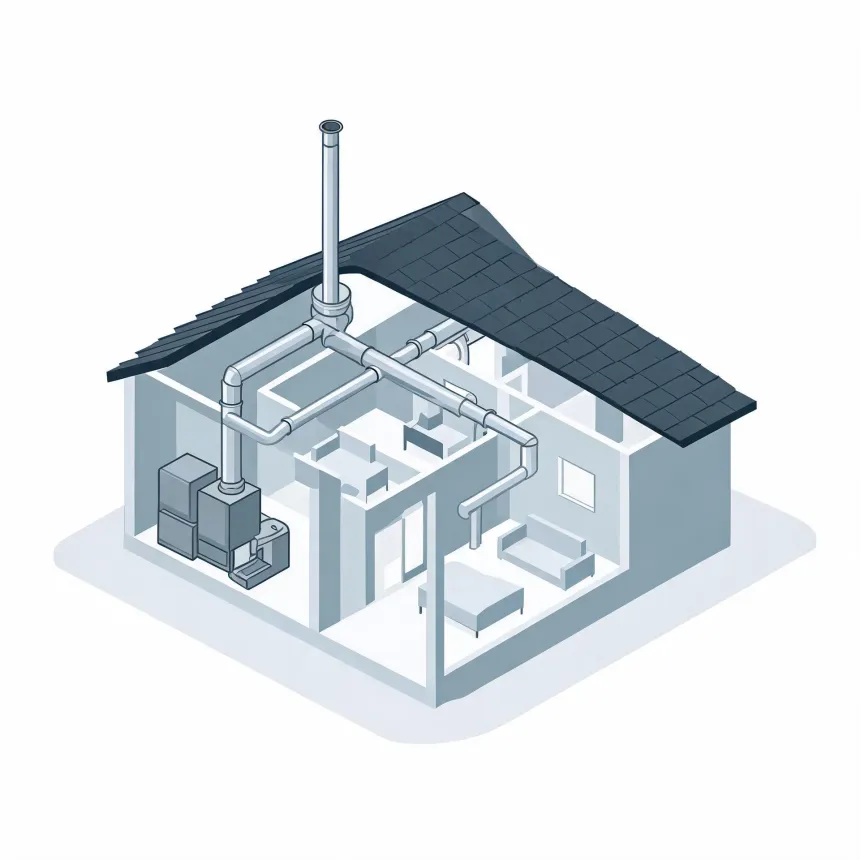
- A contractor removes the old furnace, air conditioner, or heat pump and sets the new equipment in its place, then connects it to the existing ductwork, gas line or refrigerant lines, and electrical. They check the ducts for leaks or damage, since ducts carry the air the new system heats or cools, and a leak there wastes what the new equipment is producing. The system gets tested and the refrigerant charge or gas pressure checked against the manufacturer's specs before they leave. In most cities and counties this work needs a permit from the local building office and an inspection once it's done, which confirms the install meets code.