
HVAC Repair in Aquia Harbour, VA
Homes here need heat from October through April and cooling from June through September. If your system quits, tell us what it's doing and a licensed contractor who covers Stafford County will get in touch.
Tell us about the job
It takes about a minute.
Eleven months of work, most years
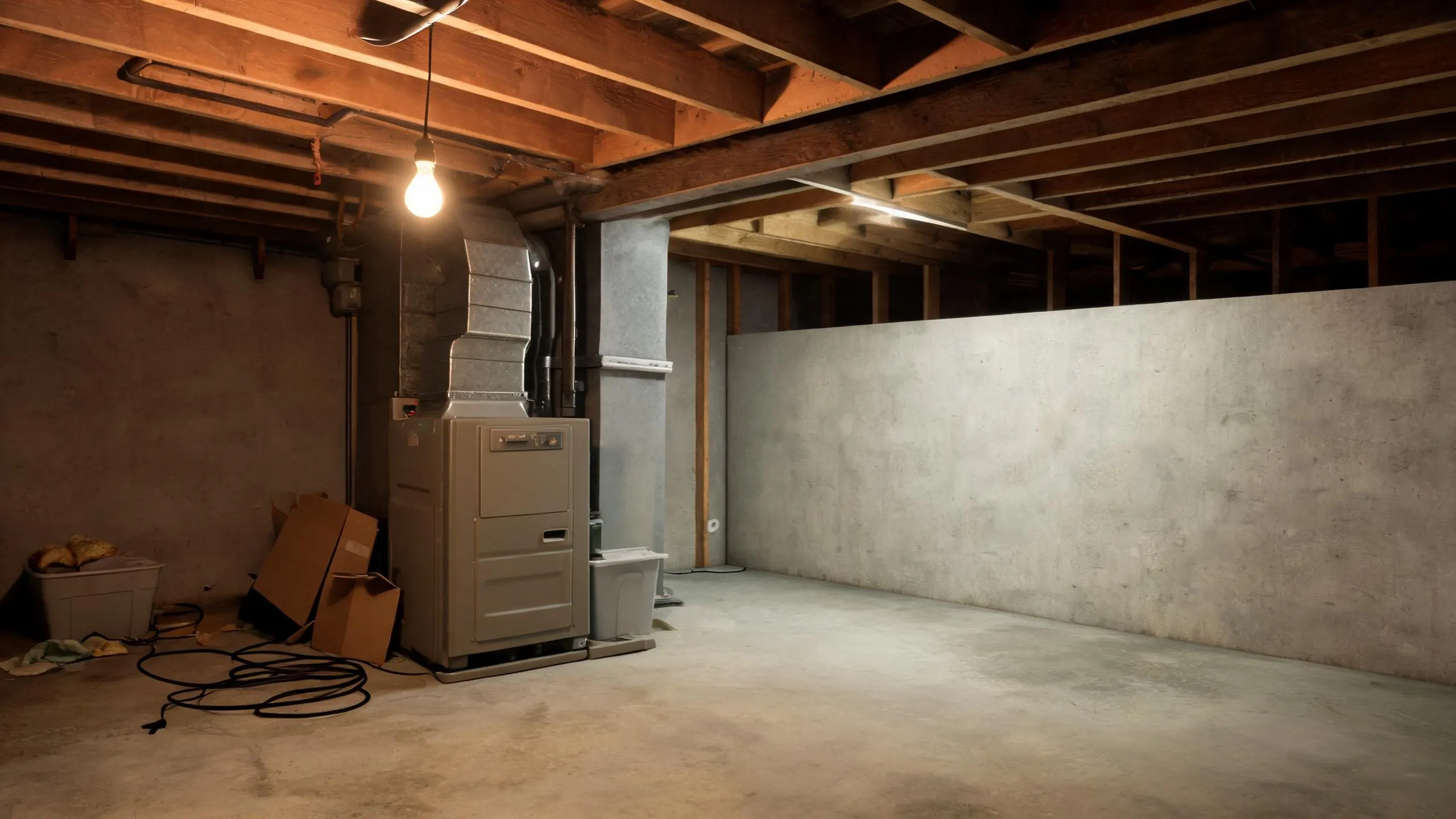
Aquia Harbour needs heat from October through April and cooling from June through September. That leaves the system idle one month out of the year. Winter nights average 28°F, cold enough that a furnace or heat pump cycles on and off for hours after dark, and each start puts wear on the igniter or the heat strips. Summer afternoons average 86°F, so the compressor is working hard most days from June through September with barely a break between seasons.
56.3% of homes here heat with electricity, which means the outdoor unit is doing double duty, cooling in summer and often heating in winter too. Stafford County has seen 132 damaging wind events and 8 winter storms over the past ten years, and in 2024, 22% of Virginia households lost power for at least a day. A heat pump or furnace does not restart on its own after an outage like that, someone has to reset it, and that is often when a weak part finally fails.
- 7 months
- October through April, your system heats
- 4 months
- June through September, it cools
- 28°F
- the average winter night it heats against
- 86°F
- the average summer afternoon it cools against
NOAA nClimDiv, 1991–2020 normals
Virginia requires HVAC contractors to hold a state license.
The Board for Contractors tests and records the contractor, not each job. The license tells you the person or company met the state's requirements, not that anyone inspected what happens in your house. In Virginia, work under $1,000 does not need a licensed contractor, so a small repair can fall outside that requirement depending on what it costs.
For a heating and cooling repair, the license is what stands behind whoever does the work, since Virginia licenses contractors rather than just registering them or leaving it to the county. That license covers the contractor as a whole, built on the jobs the state has tested and recorded, not this specific repair on its own.
Sources: Virginia General Assembly · Virginia Department of Professional and Occupational Regulation
- Why is my heat not working?
- Start with the thermostat. Make sure it is set to heat and set a few degrees above room temperature, and check that it has power if it uses batteries. If the thermostat looks right, check the breaker for the furnace or air handler, since a tripped breaker will shut the whole system down. A furnace that lights and then shuts off within a minute or two often has a dirty flame sensor, and one that never lights at all may have a bad igniter. With winter nights here averaging 28°F, a heating system that is down for more than a few hours is worth calling in a contractor for.
- Why is my system running but not cooling the house?
- Check the air filter first. A filter clogged with dust blocks airflow across the indoor coil, and when that happens the coil can ice over and stop cooling the air at all. Next check the outdoor unit and clear away any leaves, grass clippings, or branches sitting against it, since it needs open airflow to release heat. If the filter is clean and the outdoor unit is clear but the air coming from the vents is not cold, the system likely needs a contractor to check refrigerant levels or the compressor.
- What can I check before calling for HVAC repair?
- Check the thermostat settings and batteries, then check the breaker panel for a tripped breaker. Look at the air filter and replace it if it is gray or clogged, since restricted airflow causes problems in both summer and winter. If the outdoor unit is covered in debris or the vents inside the house are blocked by furniture or rugs, clear them. Beyond these basic checks, especially if the system will not turn on at all, a licensed contractor can look at it and price the job for your house.