
HVAC Installation in Tuckahoe, VA
A new system here will heat from October through April and cool from May through September every year. Tell us about the house, and a licensed contractor who covers Henrico County will get in touch.
Tell us about the job
It takes about a minute.
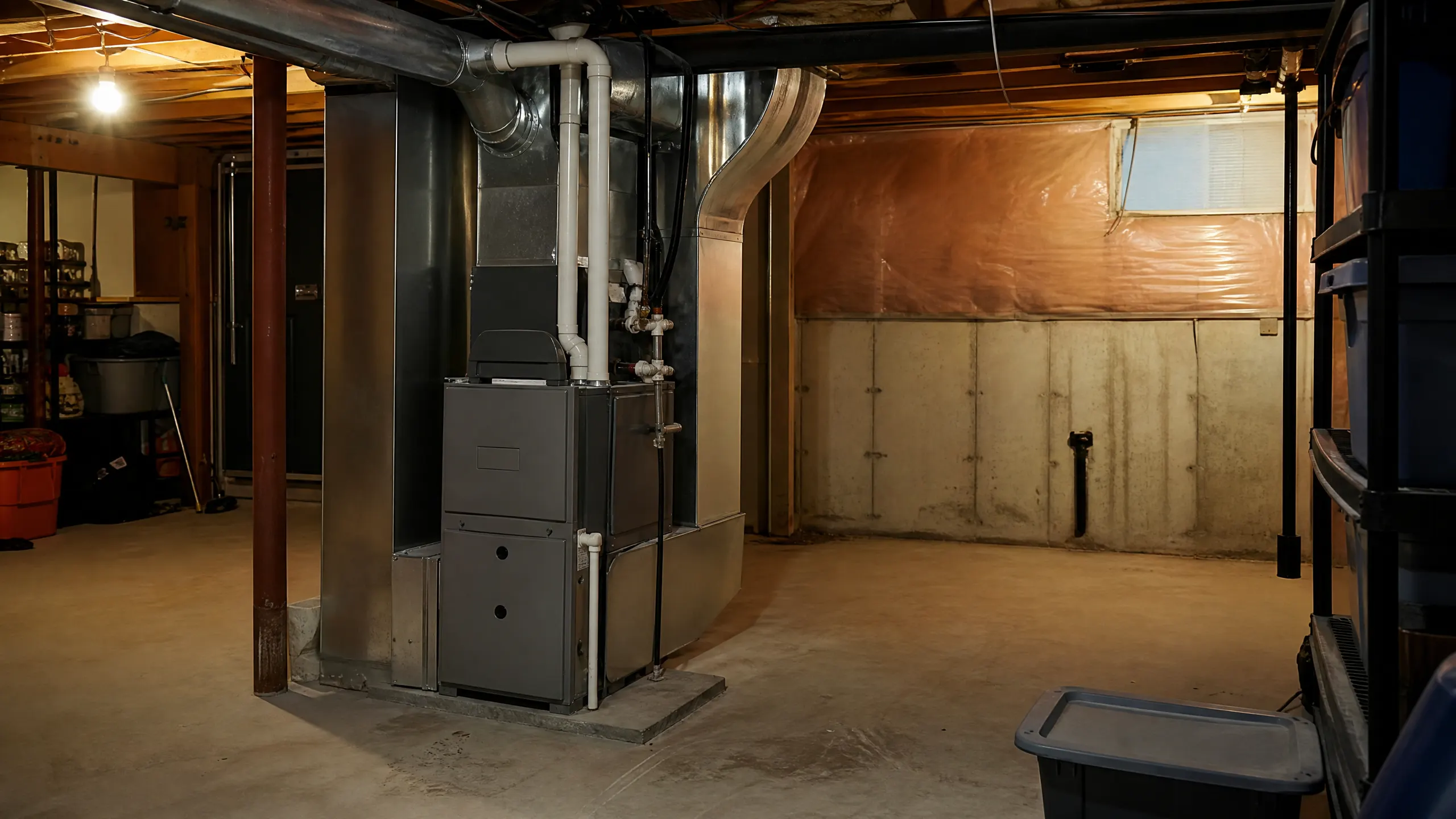
What a system in Tuckahoe has to handle
Your new system will run almost year round here. Heat from October through April, seven months. Cooling from May through September, five months. Only a few weeks in spring and fall ask nothing of it at all.
Winter nights average 30°F, so the furnace or heat pump has to bring the house back up from real cold, night after night, for months. Summer afternoons average 87°F, and the AC side has just as long a stretch of work in the heat. Most homes here heat with electricity, and the area has seen 17 winter storms and 91 damaging wind events over the past ten years, with 22% of Virginia households losing power for at least a day in 2024. That is worth thinking about when you decide what kind of system to install and how it handles an outage.
- 7 months
- October through April, your system heats
- 5 months
- May through September, it cools
- 30°F
- the average winter night it heats against
- 87°F
- the average summer afternoon it cools against
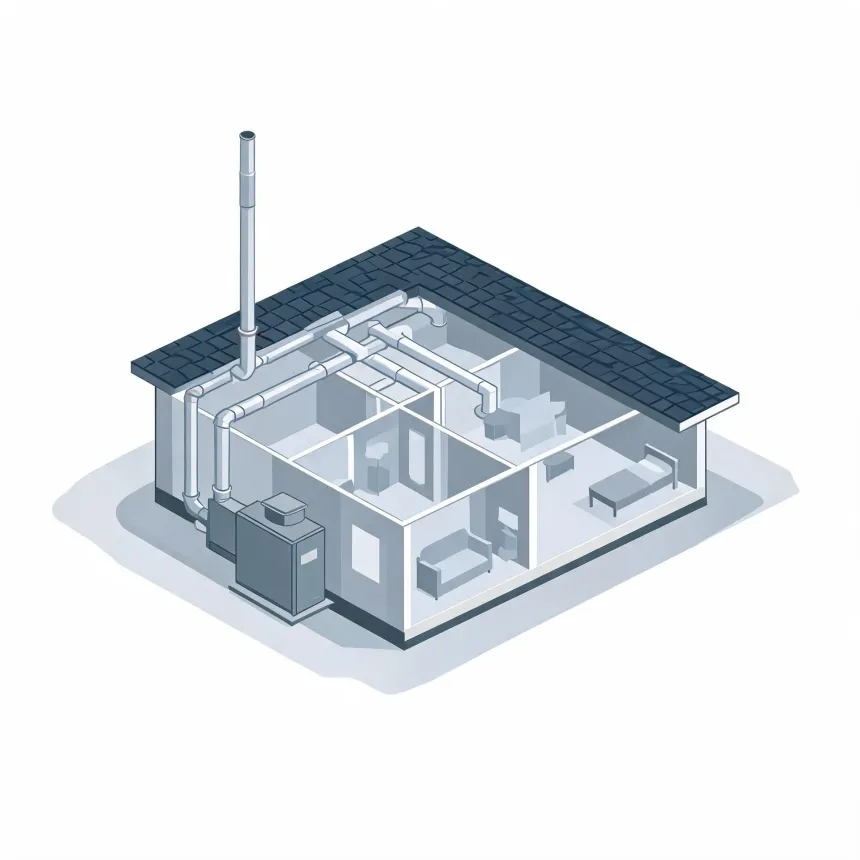
NOAA nClimDiv, 1991–2020 normals
Virginia requires HVAC contractors to hold a state license.
The Board for Contractors tests and records the contractor, not each job they do. The license tells you this contractor was tested and is on file with the state, but it is not issued fresh for your installation. Work under $1,000 falls outside this rule entirely, though a heating and cooling system install runs well past that mark.
In most cities and counties, a job like this needs a permit from the local building office, with an inspection once the work is done. That permit and inspection are separate from the state license. They apply because of where the system is installed, not because of who holds the license.
Sources: Virginia General Assembly · Virginia Department of Professional and Occupational Regulation
- When should I replace my HVAC system?
- Once your system is old enough that repairs are happening most seasons, or a repair estimate is running close to what a new system would cost, replacement is the better move. A rising energy bill with no other explanation is also a sign the equipment is working harder than it should to do the same job. Homes here need heat or cooling all 12 months, so a system near the end of its life will not get much of a break before the next season puts it back to work.
- Should I replace my furnace and air conditioner at the same time?
- If both are old, yes. A furnace and air conditioner installed together are matched to work as one system, and pairing new equipment with an old unit on the other side can mean the new part never runs at its rated efficiency. It also means you avoid paying for a separate installation later when the old equipment fails on its own schedule. If only one is actually failing and the other is still young, a contractor can look at your setup and tell you whether replacing just the one makes sense.
- What happens during an HVAC installation?
- A contractor removes the old furnace and air conditioner or heat pump, sets the new equipment in place, connects it to the ductwork, wiring, and refrigerant lines, and runs it through a full test cycle before leaving. In most cities and counties, replacing a furnace, air conditioner, or heat pump needs a permit from the local building office and an inspection once the work is done. Virginia also requires the contractor doing this work to hold a state license through the Board for Contractors. Ask to see it before the job starts, since the license belongs to the contractor and not to any one job.