
HVAC Repair in Tuckahoe, VA
Homes here need heat from October through April and cooling from May through September. If your system quits, tell us what it's doing and a licensed contractor who covers Henrico County will get in touch.
Tell us about the job
It takes about a minute.
Tuckahoe runs its system almost year round
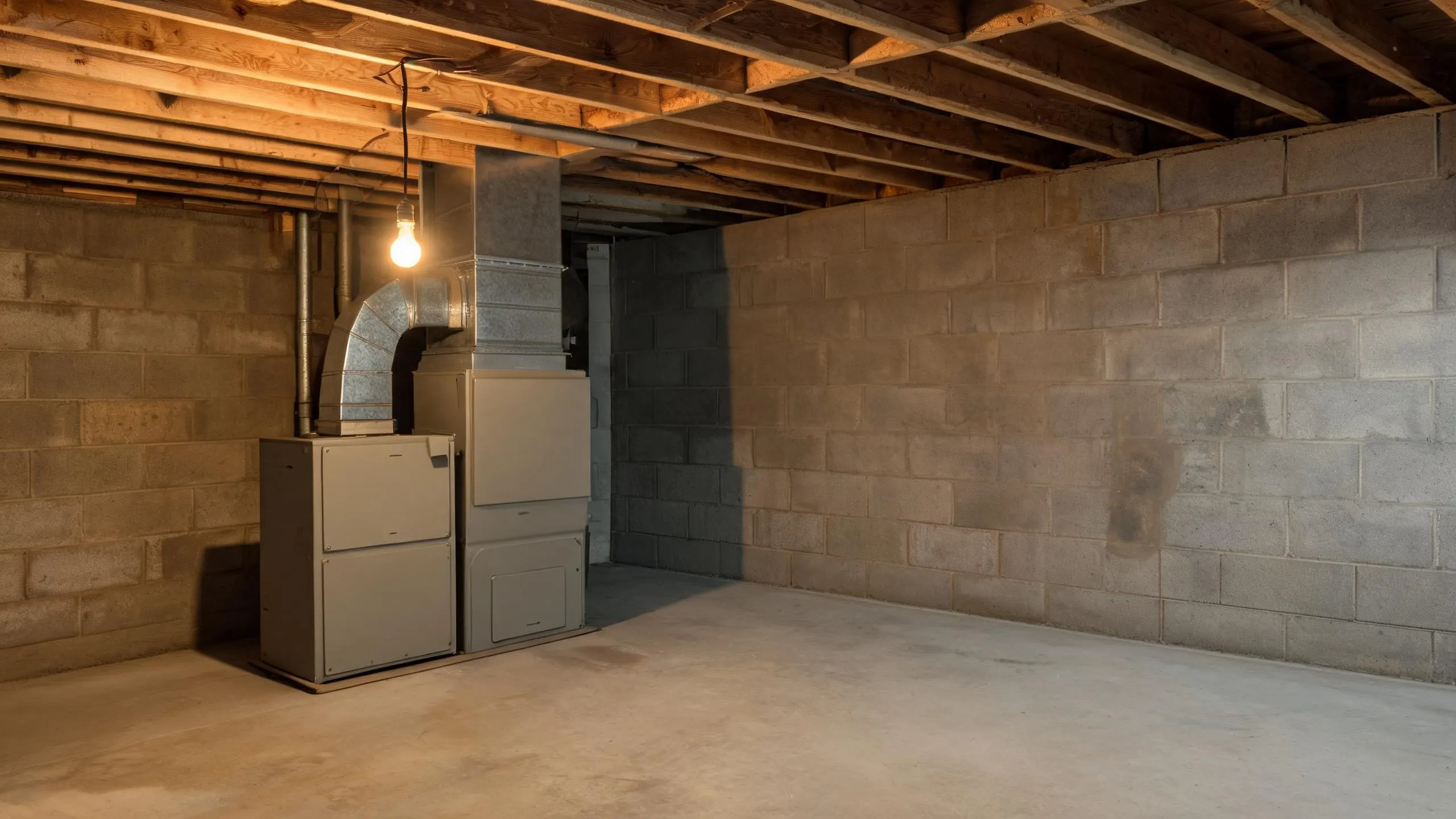
Heat runs October through April here, then cooling takes over for May through September. Between the two, the system is doing one job or the other every month of the year. That is a lot of hours on the same blower motor and the same electrical connections, winter and summer alike.
Winter nights average 30°F, cold enough that the heat runs long stretches at a time. Summer afternoons average 87°F, and the compressor works hardest right when the air is heaviest. Most homes here heat with electricity, so a storm that knocks out power takes the furnace down with it, not just the lights. Henrico County has seen 17 winter storms and 91 damaging wind events over the past ten years, and statewide, better than one in five households lost power for a full day or more in 2024. Most systems restart on their own once power is back, but one already worn down by long runs is the one that fails to.
- 7 months
- October through April, your system heats
- 5 months
- May through September, it cools
- 30°F
- the average winter night it heats against
- 87°F
- the average summer afternoon it cools against
NOAA nClimDiv, 1991–2020 normals
Virginia requires HVAC contractors to hold a state license.
The license is held by the contractor, not issued job by job. It covers whatever work that contractor does at your address in Henrico County. Virginia sets one exception. Work under $1,000 does not need a licensed contractor. A repair on a heating and cooling system usually runs past that line, so the contractor doing the work should be the one holding the license.
Because the license belongs to the contractor and not the job, it is worth knowing that the person on site is the one it names. That license is what stands behind the repair here, under the rule Virginia sets for this kind of work.
Sources: Virginia General Assembly · Virginia Department of Professional and Occupational Regulation
- Why is my heat not working?
- Start with the thermostat. If the screen is blank or won't respond, check the batteries before anything else. If the thermostat is fine, listen for the furnace trying to start. A few clicks followed by silence often means the igniter is failing or the flame sensor is dirty. No sound at all can mean a tripped breaker or a switch that got bumped off, sometimes the one on the furnace itself. About 60% of homes here heat with electricity, so if the whole system is dead after a storm, check the breaker panel first. If the furnace runs but the air feels cool, that points to something further along, like a clogged filter or a stuck damper. A licensed contractor can trace it from there.
- Why is my system running but not cooling the house?
- This usually means air is moving but something between the unit and your rooms isn't working. Check the filter first. A filter packed with dust chokes airflow and the coil behind it can freeze up, which stops cold air from reaching the vents at all. If the filter is clean, check the outdoor unit. Leaves, grass clippings or a fence line growing too close can block the fan from pulling air through. If the outdoor unit is clear and running but the air inside still isn't cold, the system may be low on refrigerant, and that needs a contractor to check and correct.
- What can I check before calling for HVAC repair?
- Check the thermostat settings and batteries first. It sounds obvious but a thermostat set to the wrong mode or a dead battery causes a lot of no-heat and no-cool calls. Next check the breaker panel and any switch near the furnace or outdoor unit. After that, look at the filter. A dirty filter is behind a lot of weak airflow and can make a working system seem broken. If the outdoor unit is covered in leaves or debris, clear around it. Anything involving refrigerant, gas lines or electrical wiring needs a licensed contractor, and they can price the job once they see what's wrong.