
HVAC Repair in Chester, VA
Homes here need heat from October through April and cooling from May through September. If your system quits, tell us what it's doing and a licensed contractor who covers Chesterfield County will get in touch.
Tell us about the job
It takes about a minute.
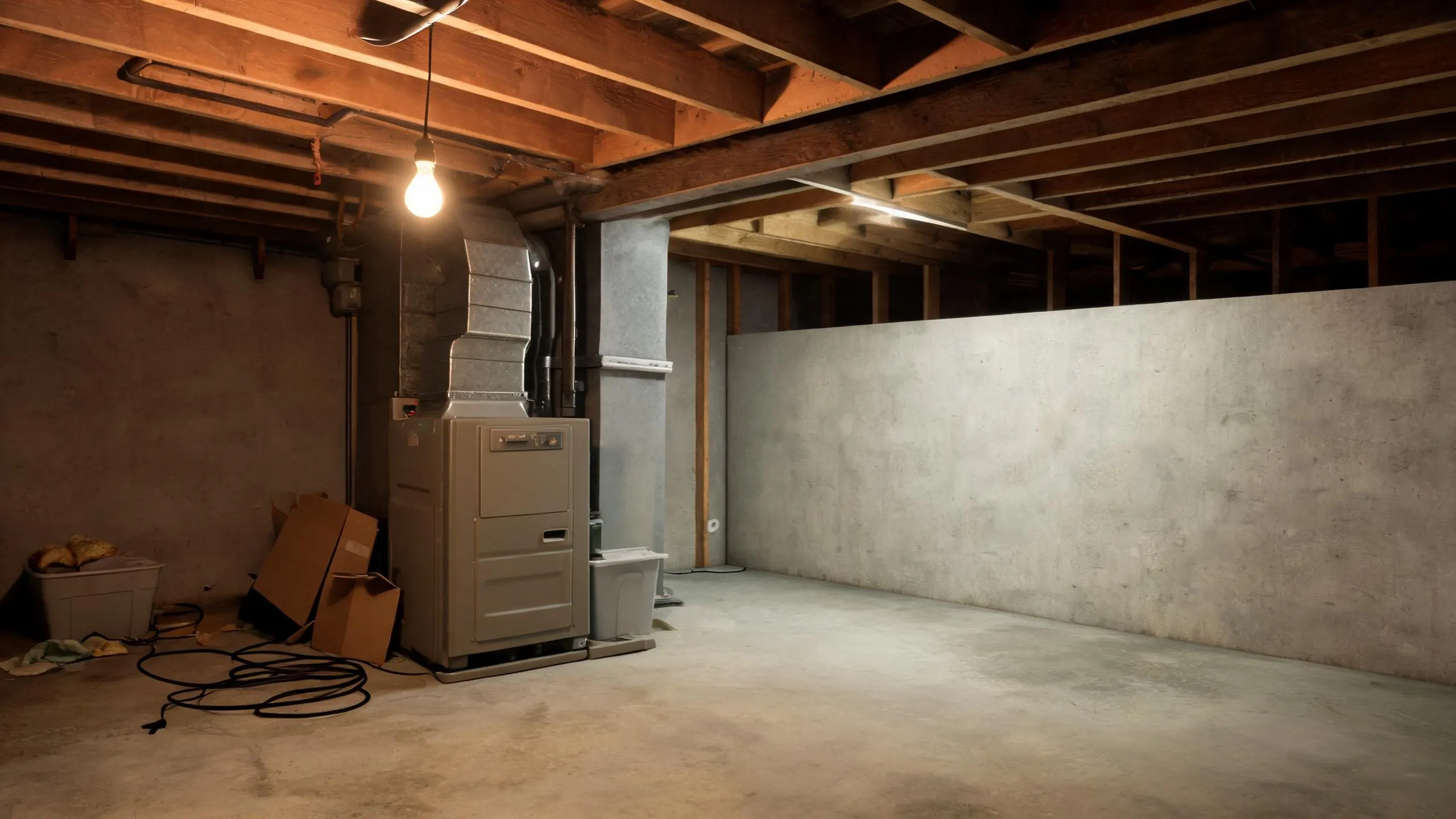
Chesterfield County asks a lot of both sides of your system
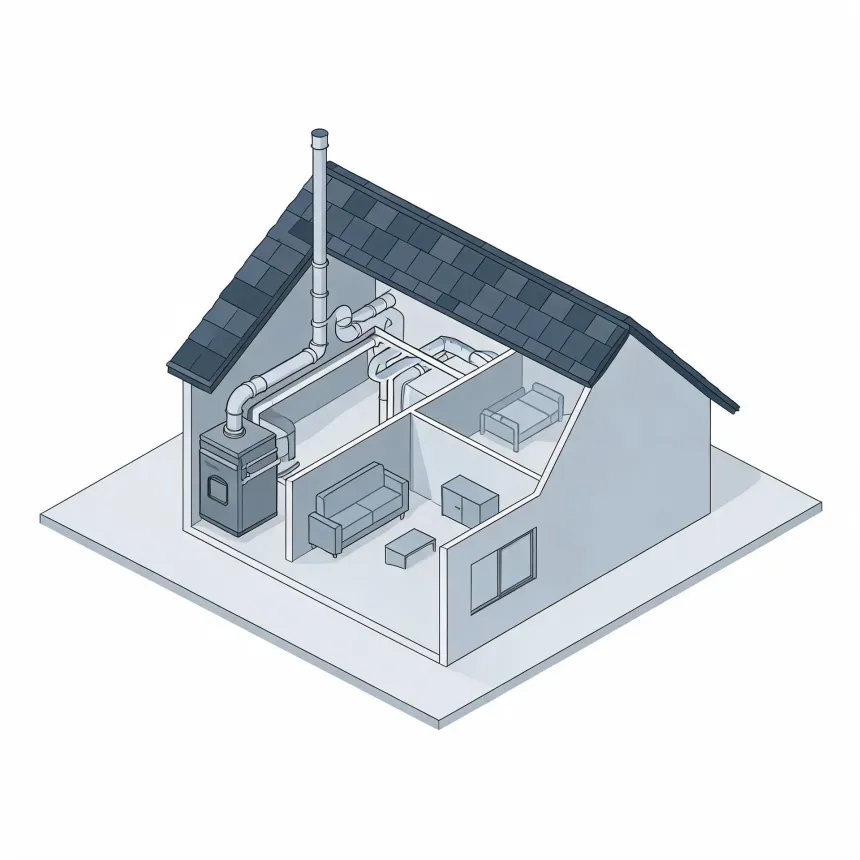
Heat runs October through April here, then cooling takes over for May through September. That is every month of the year with the furnace or the AC doing work, no real break for either side of the system.
Winter nights average 30°F, cold enough that the furnace cycles on and off for hours at a stretch, and most homes here heat with electricity, so a heat pump or electric furnace is carrying that load. Summer afternoons average 87°F, which keeps the AC running long stretches to keep up. Add in the storms, nine winter storms and 138 damaging wind events over the past ten years, and the power problems that come with them. Almost a quarter of Virginia households lost power for a day or more in 2024. When the power drops and comes back, most systems restart on their own, but a system already worn from the heat and cold has less room to absorb that kind of interruption.
- 7 months
- October through April, your system heats
- 5 months
- May through September, it cools
- 30°F
- the average winter night it heats against
- 87°F
- the average summer afternoon it cools against
NOAA nClimDiv, 1991–2020 normals
Virginia requires HVAC contractors to hold a state license.
The license belongs to the contractor, not to any single job. Virginia's Board for Contractors issues it and keeps the record of who holds one. There is one carve-out worth knowing. Work under $1,000 does not need a licensed contractor.
A heating and cooling repair like this one is the kind of job the license is meant to cover. The contractor working on the system in Chesterfield County should hold that state license, and the repair itself is the thing the state is standing behind.
Sources: Virginia General Assembly · Virginia Department of Professional and Occupational Regulation
- Why is my heat not working?
- Start with the thermostat. Make sure it is set to heat and set above the room temperature, since a setting bumped a degree or two can look like a dead furnace. If the thermostat is fine, check the breaker and any switch that looks like a light switch near the furnace, since that shuts the whole unit off if it gets flipped. On a gas furnace, a pilot light that has gone out or an igniter that has failed will stop it from lighting at all. Winter nights here average 30°F, so a furnace that will not run needs attention fast. If the basics check out and it still will not heat, a contractor can find out what part failed.
- Why is my system running but not cooling the house?
- The most common reason is a dirty filter choking off airflow, so check that first. A clogged filter forces the coil to run colder than it should, and it can ice over, which makes the problem worse the longer the system runs. If the filter is clean, check that the outdoor unit isn't blocked by leaves or debris, since it needs open airflow to release heat. Summer afternoons here average 87°F, so a system fighting a frozen coil or blocked airflow will run a long time without catching up. If the air blowing from the vents is still warm with a clean filter and a clear outdoor unit, the system likely needs a contractor to check refrigerant levels or the compressor.
- What can I check before calling for HVAC repair?
- Check the thermostat first, since the setting, dead batteries, or a blank display causes a lot of no-heat and no-cool calls. Check the breaker box for a tripped breaker and look for any shutoff switch near the furnace or outdoor unit. Look at the filter and replace it if it is gray or clogged, since restricted airflow affects both heating and cooling. If the outdoor unit sits outside, clear leaves, grass clippings, or ice away from it so it can breathe. Once you have checked these, a contractor can look at what is left and price the job for your system.