
HVAC Repair in Arlington, VA
Homes here need heat from October through April and cooling from June through September. If your system quits, tell us what it's doing and a licensed contractor who covers Arlington County will get in touch.
Tell us about the job
It takes about a minute.
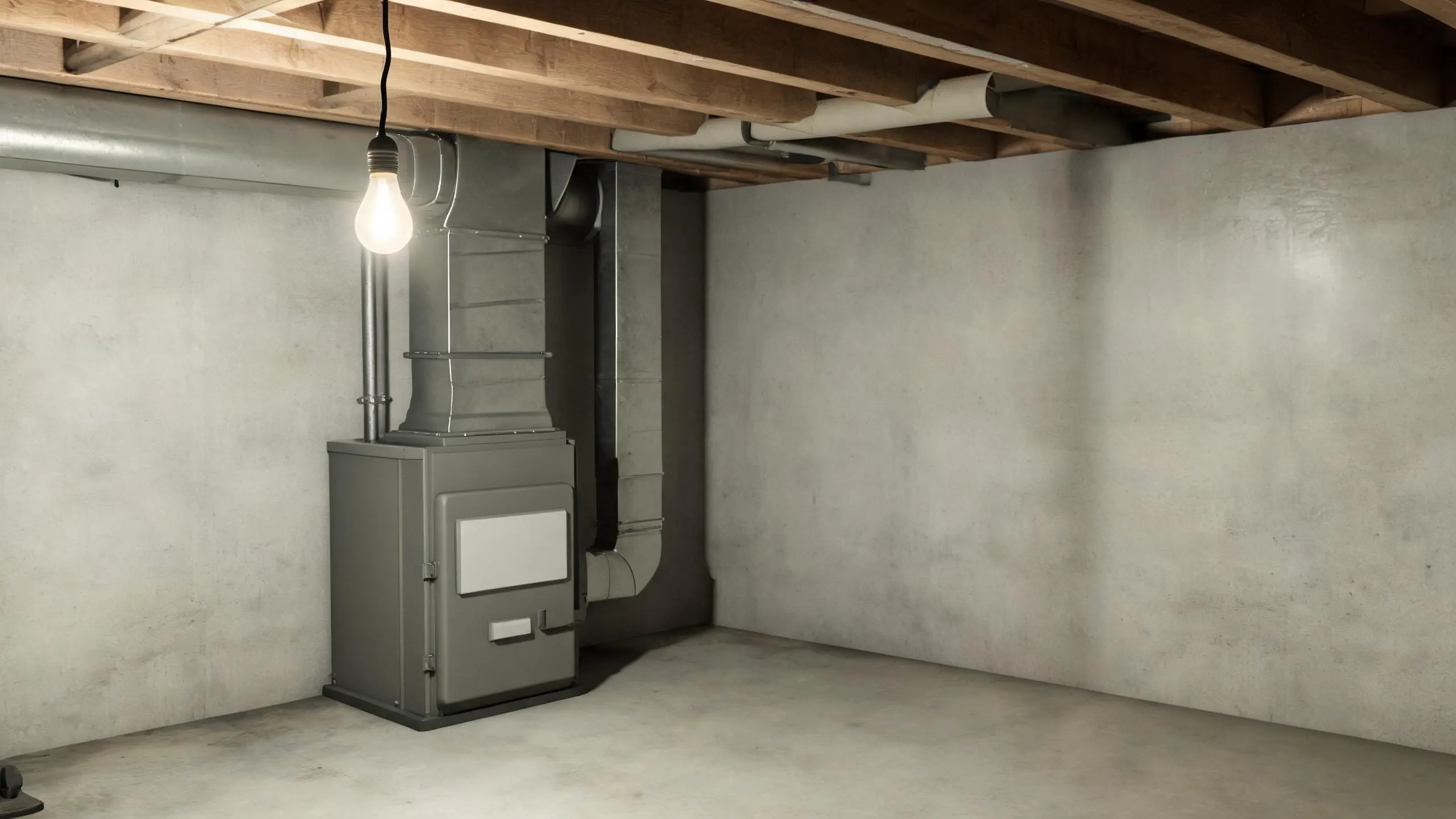
Eleven months a year, your system doesn't get a break
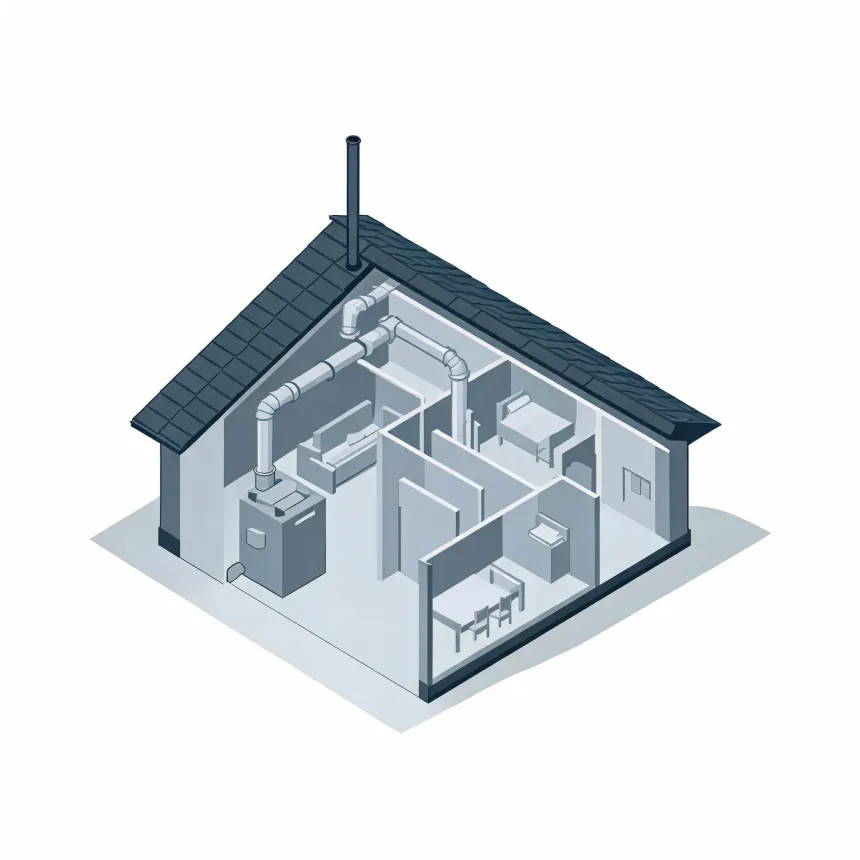
Arlington asks for heat from October through April, then cooling from June through September. That is eleven months with the furnace or the AC running, and only a short stretch between them when neither has to work. Winter nights averaging 29°F mean long, frequent burner cycles. Summer afternoons near 86°F keep the compressor working hard for most of its four months.
More than half of homes here heat with electricity, so when the power goes out, the heat goes with it. Virginia has seen storms take power out for 24 hours or more in 22% of households in 2024 alone, and Arlington has recorded 8 winter storms and 77 damaging wind events over the past ten years. A system already worn from long seasons has less to give when the power comes back on.
- 7 months
- October through April, your system heats
- 4 months
- June through September, it cools
- 29°F
- the average winter night it heats against
- 86°F
- the average summer afternoon it cools against
NOAA nClimDiv, 1991–2020 normals
Virginia requires HVAC contractors to hold a state license.
The license belongs to the contractor, not to the job itself. It stays with them from one repair to the next rather than being issued fresh each time. Virginia does carve out one exception. Work under $1,000 does not need a licensed contractor at all, so small repairs can fall outside this system.
A repair to a heating and cooling system is the kind of job this license is meant to cover. The person working on your system should hold that Virginia license, unless the job comes in under the $1,000 line. Outside of that exception, the license is what stands behind the work.
Sources: Virginia General Assembly · Virginia Department of Professional and Occupational Regulation
- Why is my heat not working?
- Most of the time it's the thermostat, the igniter, or the power to the furnace. Check that the thermostat is set to heat and the temperature is actually above room temperature. If the furnace uses gas, listen for it trying to start. A furnace that clicks but never lights usually has a bad igniter or a flame sensor that needs cleaning. If the breaker tripped or a fuse blew, that points to an electrical problem worth having a contractor look at rather than resetting it and hoping. With winter nights here averaging 29°F, a furnace that's stalling out is worth getting to quickly.
- Why is my system running but not cooling the house?
- If the blower is running but the air coming out isn't cold, the problem is usually low refrigerant, a frozen coil, or a dirty filter blocking airflow. A clogged filter starves the coil of air, and the coil can ice over as a result. Check the filter first since that's the one thing you can fix yourself. If the filter is clean and the air still isn't cold, the system likely needs refrigerant or has a coil problem, and that calls for a licensed contractor. On an 86°F afternoon, a system that's only moving warm air around isn't doing its job.
- What can I check before calling for HVAC repair?
- Start with the thermostat. Make sure it's set to the right mode and the batteries aren't dead. Check the filter next and replace it if it's visibly dirty, since a clogged filter causes both heating and cooling problems. Look at the breaker panel for a tripped breaker, and check that any outdoor unit has power and isn't blocked by debris. If the system still isn't working after that, a licensed contractor can diagnose what's actually wrong and price the repair once they've seen the system.