
HVAC Repair in Leesburg, VA
Homes here need heat from October through April and cooling from June through September. If your system quits, tell us what it's doing and a licensed contractor who covers Loudoun County will get in touch.
Tell us about the job
It takes about a minute.
Eleven months of work, most years
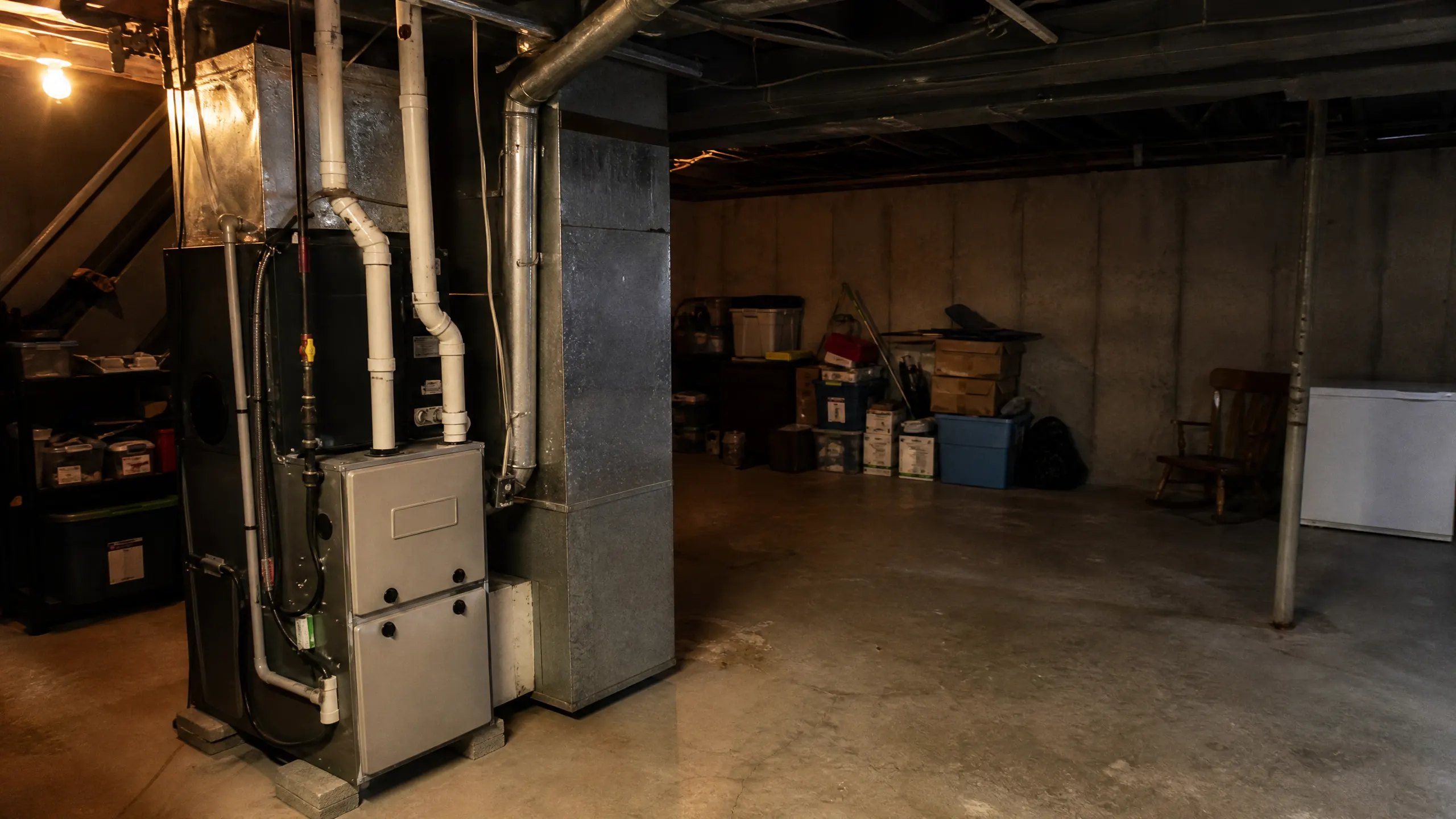
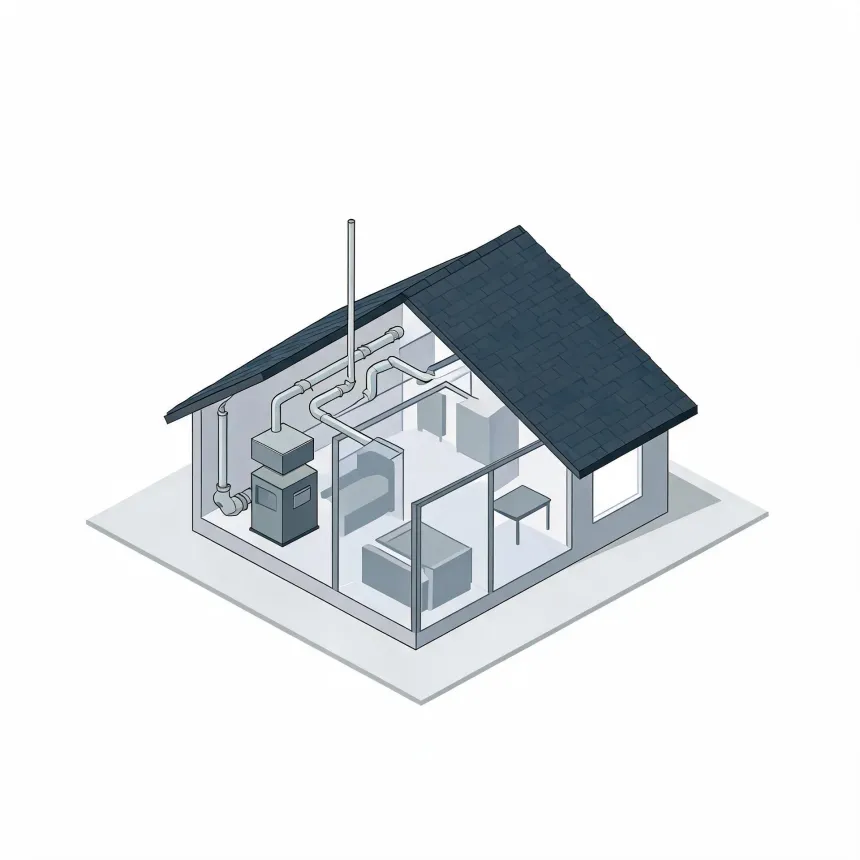
Your system in Loudoun County only gets a break for about one month. Heat runs October through April, then cooling takes over from June through September. That is eleven months where the furnace or the AC has to work when you need it to.
Winter nights averaging 26°F mean long, steady burner cycles, night after night, all winter. Summer afternoons near 85°F push the compressor hard for four straight months. And storms here do not help. Loudoun has seen 279 damaging wind events and 24 winter storms over the past ten years, and in 2024, 22% of Virginia households lost power for at least a day. A furnace that loses power mid-cycle and an AC that trips off in a storm both need to come back on correctly once the power does.
- 7 months
- October through April, your system heats
- 4 months
- June through September, it cools
- 26°F
- the average winter night it heats against
- 85°F
- the average summer afternoon it cools against
NOAA nClimDiv, 1991–2020 normals
A new furnace and air conditioner would cut about $170 a year off heating and cooling for a typical Loudoun County home.
Estimates for a typical Loudoun County home, compared with an older unit built to the previous federal minimum, from EIA household energy data, Virginia fuel prices and NOAA climate normals. Your home will differ.
Repair makes sense when one part has failed.
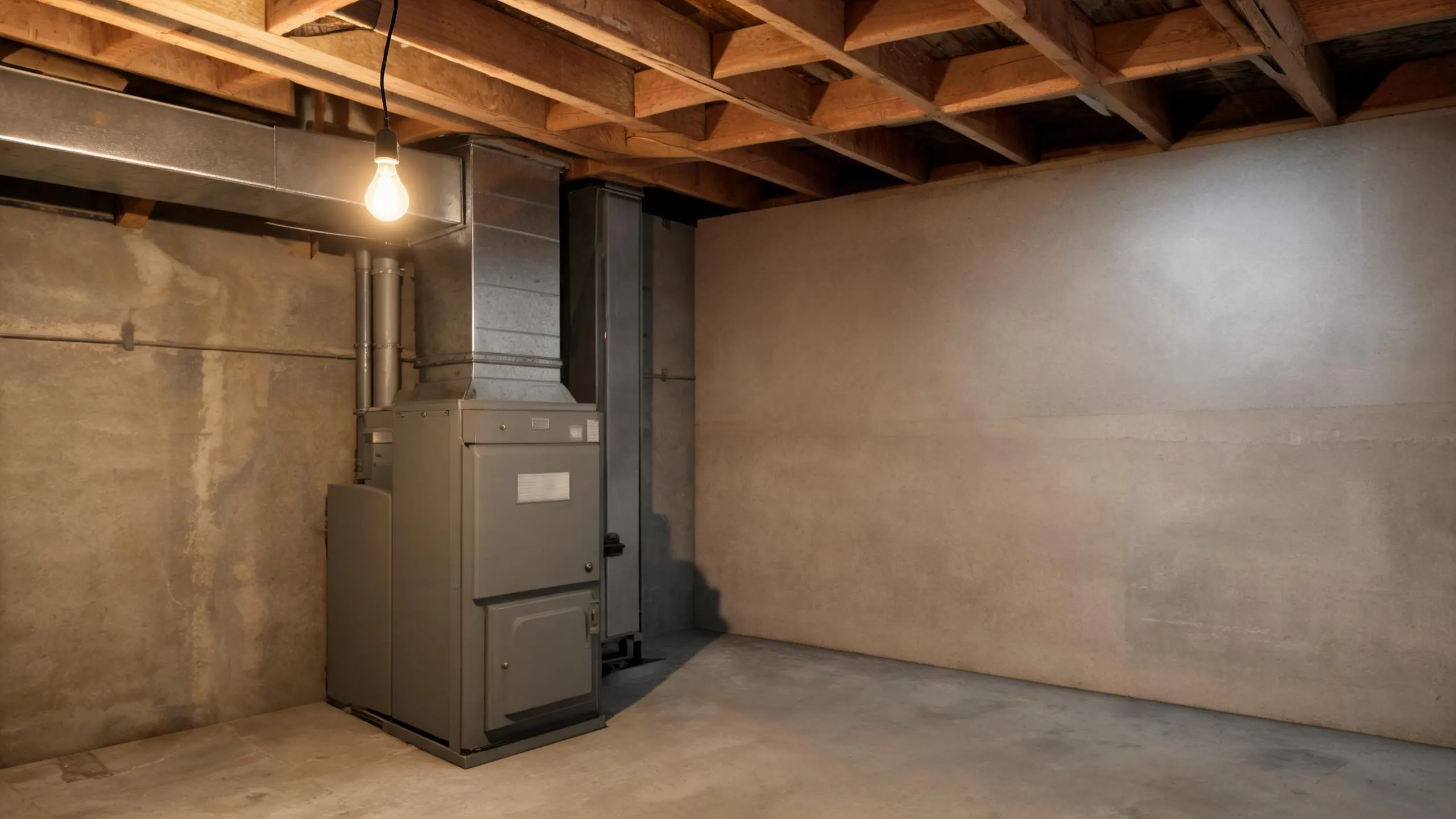
Replacement makes sense when the furnace's heat exchanger is cracked, the air conditioner's compressor has failed, or repairs keep coming.
Virginia requires HVAC contractors to hold a state license.
The license belongs to the contractor, not to the job. Virginia's Board for Contractors tests and records the person or company, so the credential follows them from one house to the next rather than getting issued fresh for each repair. Work under $1,000 falls outside this requirement, so a small fix may legally be done without a licensed contractor.
For a heating and cooling repair, that Board for Contractors license is what stands behind the work. It means the state has tested this contractor and keeps a record of them, not just this one job.
Sources: Virginia General Assembly · Virginia Department of Professional and Occupational Regulation
- Why is my heat not working?
- Start with the thermostat. Make sure it is set to heat and set a few degrees above room temperature, and check that it has power or fresh batteries. If the thermostat looks fine, check your breaker panel for a tripped switch, since a furnace or heat pump that lost power will not respond to anything else. Gas furnaces also have a pilot or igniter that can fail, and if you smell gas at any point, leave the house and call the gas company before anyone touches the system. With winter nights here averaging 26°F, a heating system that stops for even a night is worth getting looked at fast.
- Why is my system running but not cooling the house?
- Check the air filter first. A filter clogged with dust blocks airflow across the coil, and a coil with no airflow can ice over, which stops cold air even though the unit keeps running. Next check that all your supply vents are open and unblocked by furniture or rugs, since closed vents put more strain on the system for less air. If the filter is clean and the vents are open, the problem is likely low refrigerant or a failing part inside the unit, and that calls for a contractor with gauges to check it properly.
- What can I check before calling for HVAC repair?
- Check the thermostat settings, the batteries in it, and the breaker for the system before anything else. Those checks cause a surprising number of no heat or no cool calls to resolve on their own, and each one takes a minute. Look at the air filter too, and replace it if it is gray or clogged, since restricted airflow causes problems on both the heating and cooling side. If the system still is not working after that, a licensed contractor will need to look at it directly, since anything beyond these checks means opening the equipment itself.