
HVAC Repair in Bedford, VA
Homes here need heat from October through April and cooling from June through September. If your system quits, tell us what it's doing and a licensed contractor who covers Bedford County will get in touch.
Tell us about the job
It takes about a minute.
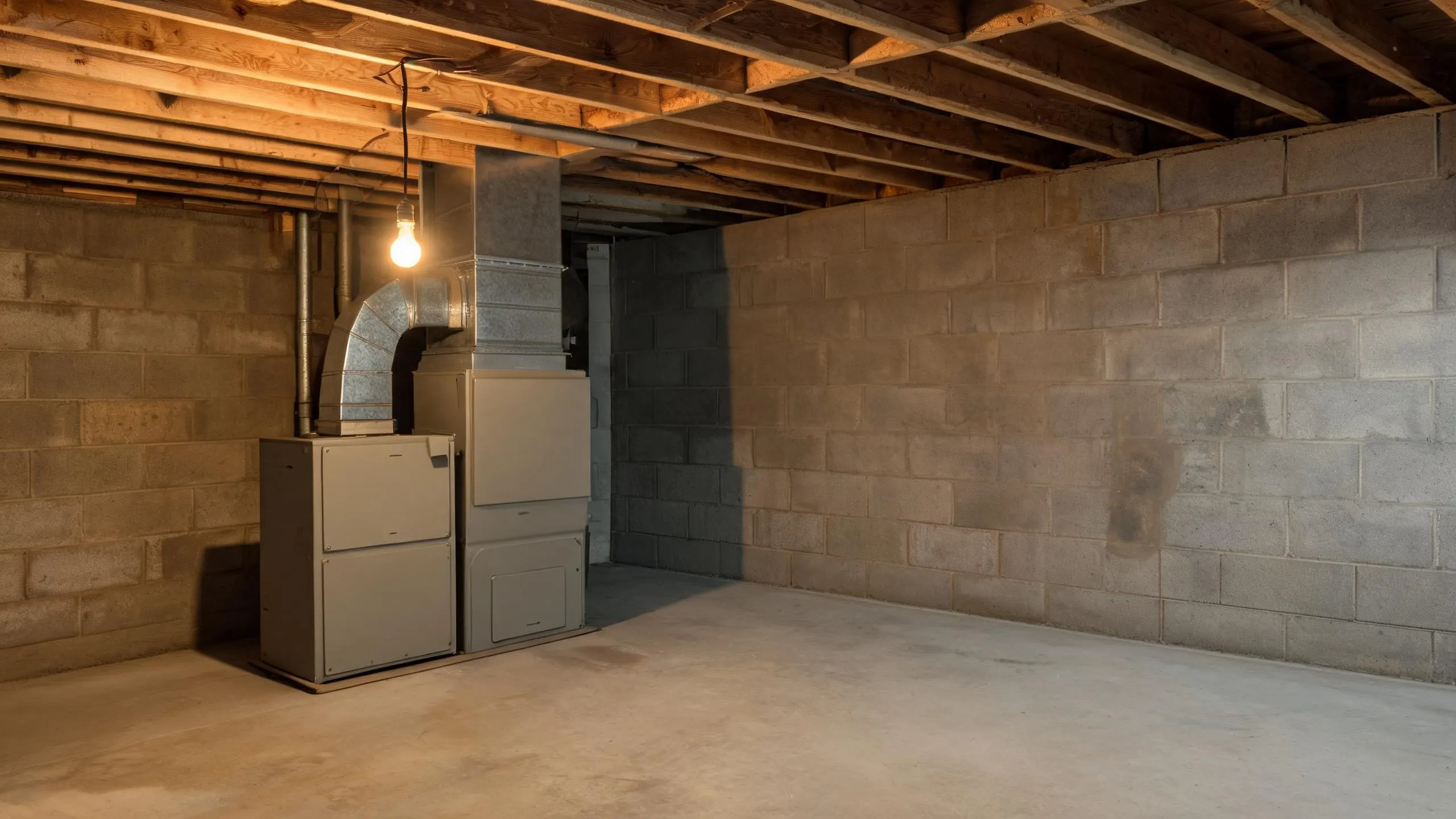
Bedford County asks a lot of your system, most of the year
Your furnace runs October through April here, and your air conditioner takes over June through September. Eleven months of the year, one or the other is working.
Winter nights average 28°F, and most homes here heat with electricity. That means long, steady run times on the coldest nights, right when a storm is most likely to cut the power. Bedford County has had 16 winter storms in the past ten years, and in 2024, 22% of Virginia households lost power for at least 24 hours. When the power goes out on a cold night, the heat goes with it, and the system has to work to catch the house back up once it returns.
Summer afternoons average 85°F, and that kind of heat keeps the outdoor unit's compressor and fan running hard for hours at a stretch. Wind is a factor too. The county has logged 131 damaging wind events over the past ten years, and wind like that can throw debris into an outdoor unit or knock out the power feeding it mid-cycle.
- 7 months
- October through April, your system heats
- 4 months
- June through September, it cools
- 28°F
- the average winter night it heats against
- 85°F
- the average summer afternoon it cools against
NOAA nClimDiv, 1991–2020 normals
Virginia requires HVAC contractors to hold a state license.
The Board for Contractors tests contractors before they get a license, and it keeps a record of who holds one. That license belongs to the contractor, not to any single job, so it covers the work whether it is a repair, an installation, or a service call. Virginia does carve out an exception. Work under $1,000 does not need a licensed contractor at all.
Once a job crosses that line, the license is what stands behind whoever is doing it. That is the protection Virginia gives this job, a contractor the state tested and keeps a record of.
Sources: Virginia General Assembly · Virginia Department of Professional and Occupational Regulation
- Why is my heat not working?
- Start with the thermostat and the breaker before you assume the worst. Most electric heat systems here trip a breaker or lose a setting when power blinks, and with 82% of homes here heating with electricity, that is the first place to look. If the breaker is fine and the thermostat is set to heat and calling, the problem is likely in the unit itself, an igniter, a flame sensor, or a stuck contactor depending on what you have. At 28°F on a winter night that is not something to leave for long, so if the basics check out, get a contractor to look at it.
- Why is my system running but not cooling the house?
- If the blower is running but the air is not cold, check the filter first. A clogged filter starves the coil of airflow and the coil can ice over, which stops it from pulling heat out of the air at all. Check outside too. The outdoor unit needs clear space around it, and if the fan out there is not spinning while the system runs inside, that points to a bad capacitor or a failed motor. Either way, a system that runs without cooling on an 85°F afternoon usually means something is blocking airflow or a part outside has failed, and that calls for a contractor to confirm which.
- What can I check before calling for HVAC repair?
- Check the thermostat first, the batteries, the setting, and whether it is calling for heat or cool at all. Check the breaker panel next, since a tripped breaker will stop the system cold with no other symptoms. Look at the filter and swap it if it is dirty, and if you have an outdoor unit, make sure nothing is blocking it. If all of that checks out and the system still is not working, the issue is likely inside the equipment, and a licensed contractor will need to open it up and price the repair for your system.