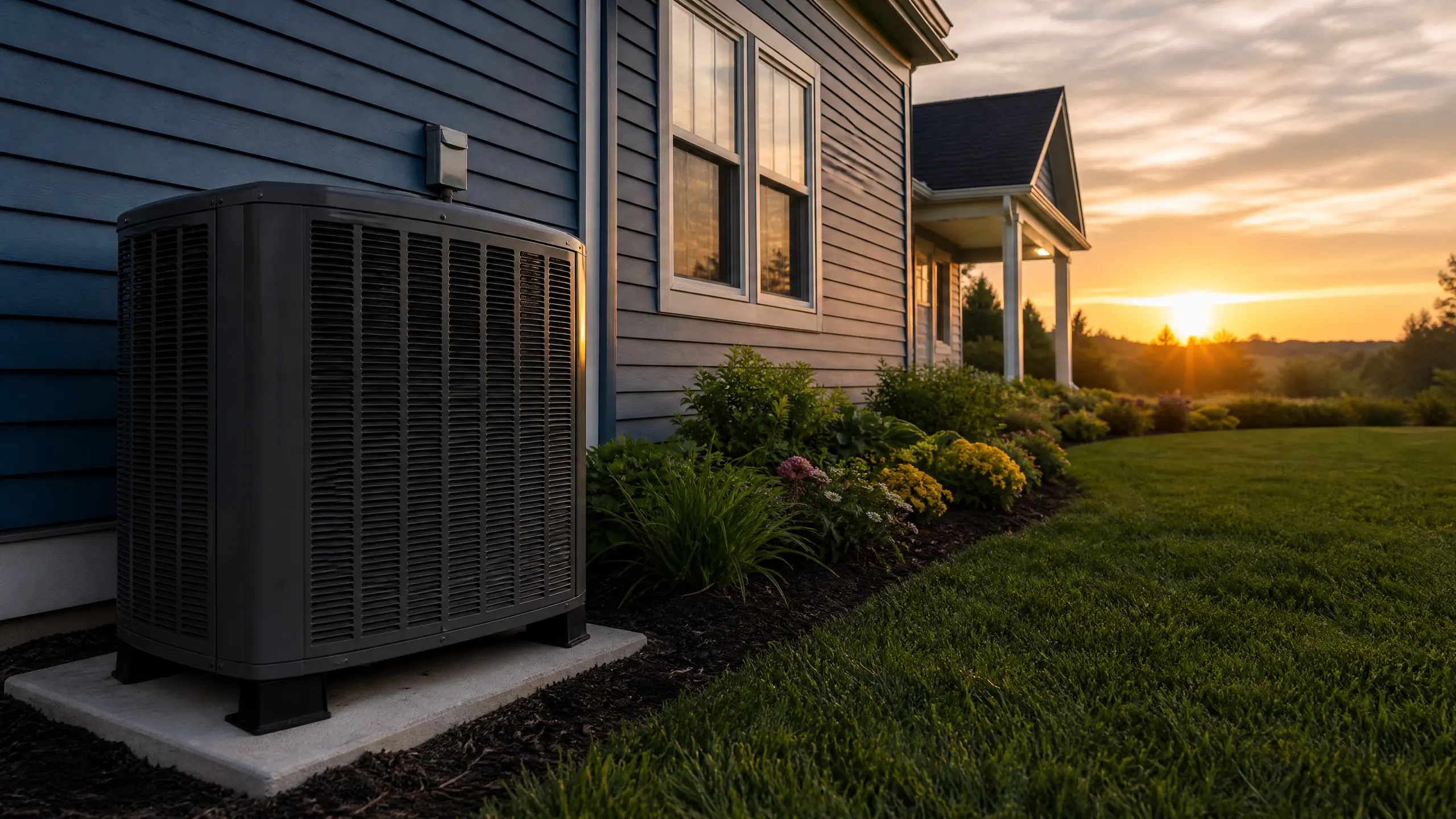
HVAC Repair in Norfolk, VA
Homes here need heat from November through April and cooling from May through September. If your system quits, tell us what it's doing and a licensed contractor who covers Norfolk will get in touch.
Tell us about the job
It takes about a minute.

Eleven months of work a year, in weather that swings hard
Norfolk asks for heat from November through April and cooling from May through September. That leaves your system idle one month out of the year. Summer afternoons average 86°F, and on the humid days that push higher, the compressor runs long stretches to keep up. Winter nights average 35°F, cold enough that the heat runs most of the night through the coldest stretch of the season.
Most homes here heat with electricity, so a system that will not start has no backup burning nearby to fall back on. Norfolk has seen 50 damaging wind events and 6 winter storms over the past ten years, and statewide, better than one in five households lost power for a full day or more in 2024. Most systems restart on their own once power comes back. If yours does not, that is worth a call, not a wait.
- 6 months
- November through April, your system heats
- 5 months
- May through September, it cools
- 35°F
- the average winter night it heats against
- 86°F
- the average summer afternoon it cools against
NOAA nClimDiv, 1991–2020 normals
Virginia requires HVAC contractors to hold a state license.
Virginia's license is held by the contractor, not issued per job. It covers the business doing the work rather than any single repair. The state sets one exception. Work under $1,000 does not need a licensed contractor at all.
A repair to a heating and cooling system is the kind of job that license is meant to stand behind, since the contractor and not the job is what got tested and put on record with the Board for Contractors. If the repair on your system runs under $1,000, that rule does not apply to it.
Sources: Virginia General Assembly · Virginia Department of Professional and Occupational Regulation
- Why is my heat not working?
- Start with the thermostat. Make sure it is set to heat and set a few degrees above room temperature, and check that the display is lit. If the thermostat looks dead, check the breaker for the furnace or air handler, since a tripped breaker will shut the whole system down. If power is fine but nothing happens when you raise the temperature, the igniter or the flame sensor is a common failure point on gas furnaces, and that is a job for a licensed contractor. Winter lows here average 35°F, so a furnace that stops working overnight can let a house get cold fast.
- Why is my system running but not cooling the house?
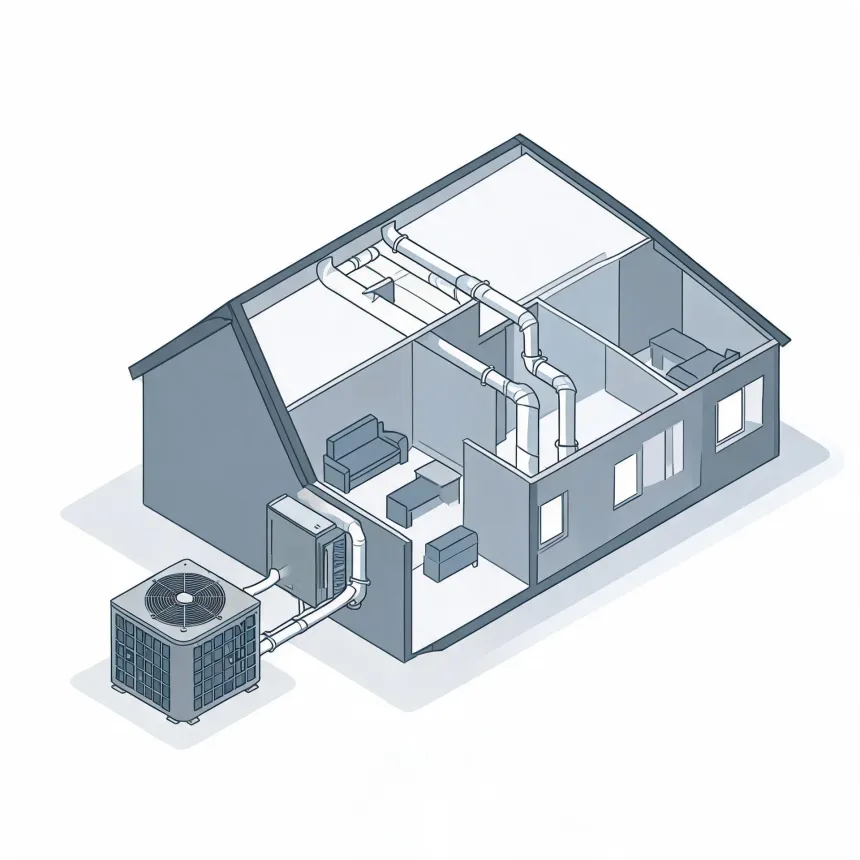
- Check the air filter first. A clogged filter chokes off airflow across the coil, and when that happens the coil can freeze up, which makes cooling stop even though the blower keeps running. If the filter is clean, look outside at the condenser unit and make sure nothing is blocking it, like grass clippings or fallen leaves. If the outdoor unit is running but the air inside is not getting cold, the system may be low on refrigerant, and that always means a leak somewhere in the line. That is not something to chase down yourself. A licensed contractor can find the leak and recharge the system properly.
- What can I check before calling for HVAC repair?
- Check the thermostat settings and batteries first, since a dead thermostat can look like a dead system. Next check the breaker panel for a tripped breaker on either the furnace or the outdoor unit. Look at the air filter and replace it if it is dirty, since restricted airflow causes problems on both the heating and cooling side. If the outdoor unit is not running at all, make sure the disconnect switch near the unit is pushed in. Anything beyond that, the refrigerant lines, gas connections, or electrical wiring inside the system, should go to a licensed contractor who can diagnose it safely and price the job for your house.