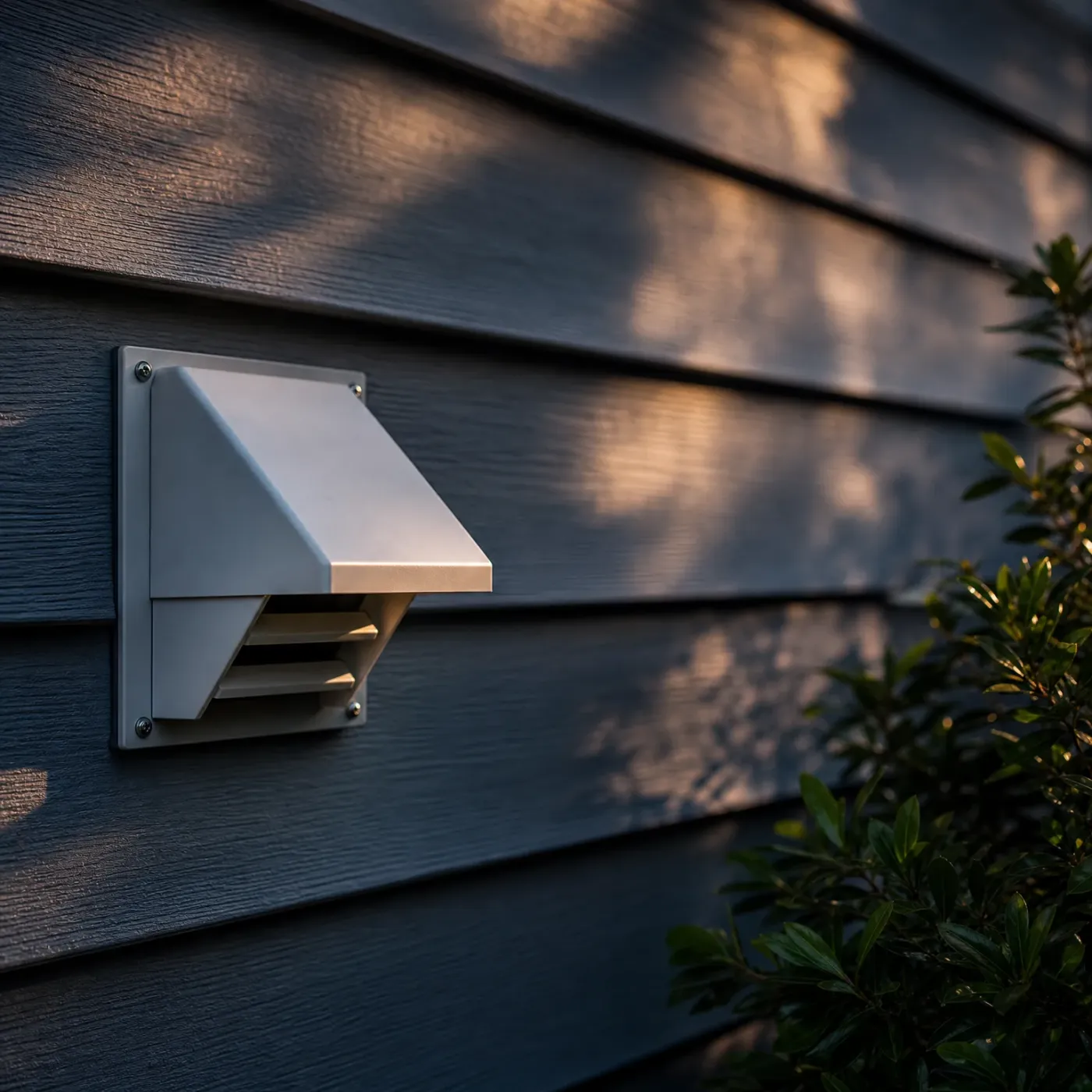
A white hooded louvered vent cover mounted on dark gray horizontal lap siding, with dappled late-day light and shadows across the wall and a leafy shrub at the right edge.

Get matched with a dryer vent pro in Prince William County

Signs of a clogged dryer vent in Dumfries, VA

A clogged dryer vent shows up in small ways first: clothes that take two cycles to dry, a laundry room that feels warmer than it should, a burnt smell when the dryer runs. This page covers what to look for and how to tell a vent problem from a dryer problem. Answer a few questions below and a contractor who handles vent cleaning in your area will reach out.

Match me with a pro

A clogged dryer vent is doing its job badly, not failing outright, so the signs build slowly. Start the dryer on a normal load and go outside to the vent hood. Weak airflow or almost none means lint has built up somewhere in the run between the dryer and the outside wall. Back inside, clothes still damp after a full cycle, a dryer that runs hot to the touch, or a drum that stays hot well after it shuts off all point the same direction. So does lint collecting around the lint trap housing instead of catching in the trap, and a burnt smell that wasn't there when the dryer was new. Any one of these alone could be the dryer itself, a failing heating element or a worn belt. Together, or alongside weak airflow at the vent hood, they point to the vent. The longer it runs clogged, the harder the dryer works to push air through it, which is the part worth paying attention to.

3.09 people per household on average

More people in the house means more loads through that dryer every week, and more lint moving through the vent each time. A household this size in Prince William County is running the dryer often enough that a partial clog turns into a full one faster than it would next door.

ACS 2020-2024

The vent run is the problem

Take the dryer sheet off every lint trap and run a load anyway and still get damp clothes after a full cycle, and the vent is the likely cause. Check the outside hood while the dryer runs. If the flap barely moves or the air coming out feels weak, lint has built up somewhere between the back of the dryer and the outside wall. A burnt smell partway through a cycle points the same way, since trapped lint sits near the heating element and warms up instead of blowing outside. A long run, a lot of bends, or a vent that climbs through two floors all give lint more places to collect.
The dryer itself is at fault

If the outside hood puts out strong, steady air but clothes still come out damp or hot to the touch, look at the dryer instead of the vent. A drum that won't heat, a timer that cuts the cycle short, or a thermostat reading wrong will all leave clothes underdried no matter how clear the vent is. Scorch marks on fabric with a clear vent point to a heating element stuck on. None of this clears on its own, and running more loads through it only adds wear to parts that are already failing.

Why does this household's dryer vent clog faster than most?

  • 3.09 people per household on average

    A household of 3.09 people means more laundry loads a week, and each load pushes more lint through the same vent run.

  • Half the homes here were built by 1995

    Half the homes here were built in 1995 or earlier, old enough that the vent run may be longer or ducted in ways that trap lint.

  • Power here costs 13.91 cents per kilowatt-hour

    At 13.91 cents per kilowatt-hour, a clogged vent that forces longer drying times shows up on the bill before it shows up as a repair.

ACS 2020-2024 · EIA-861 2025

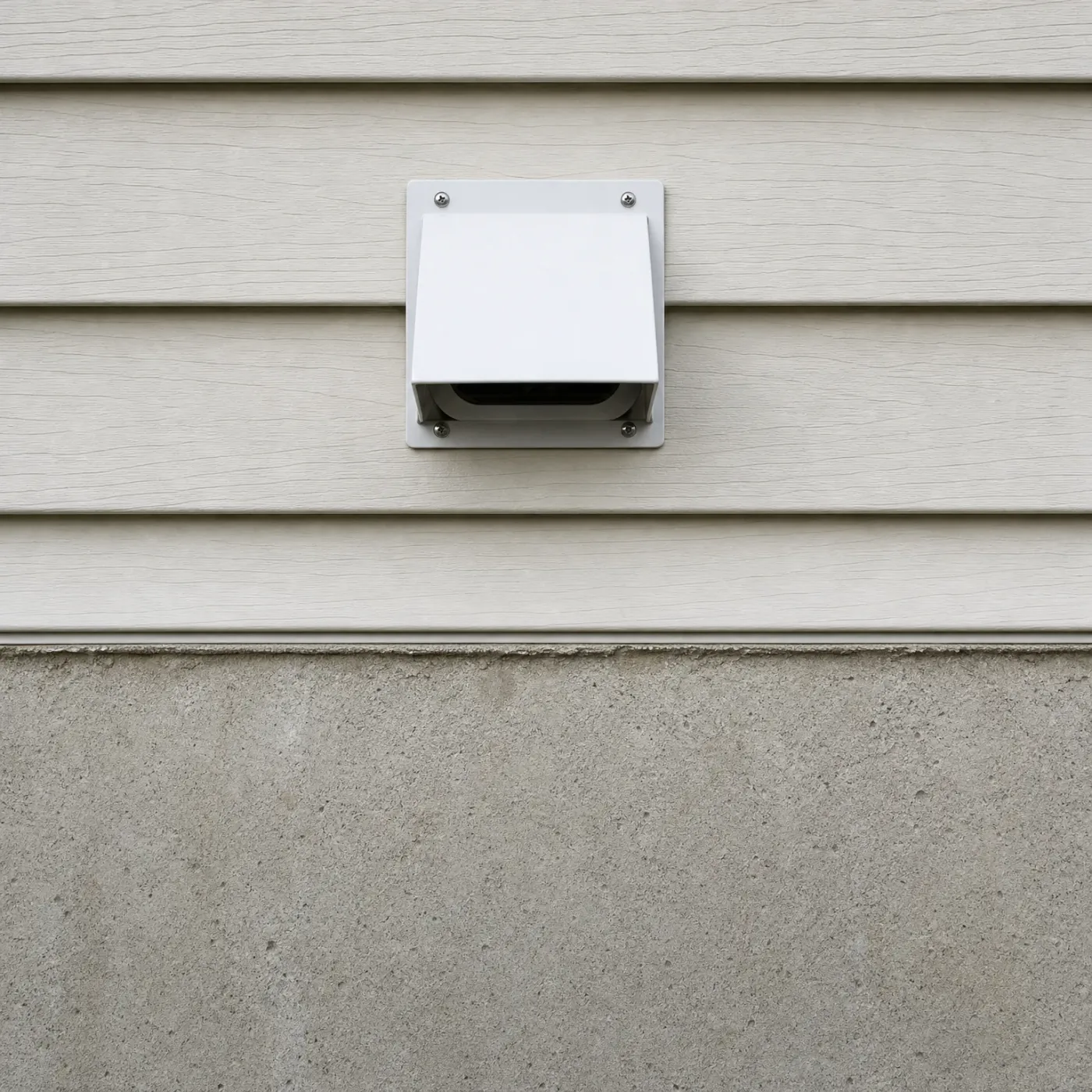
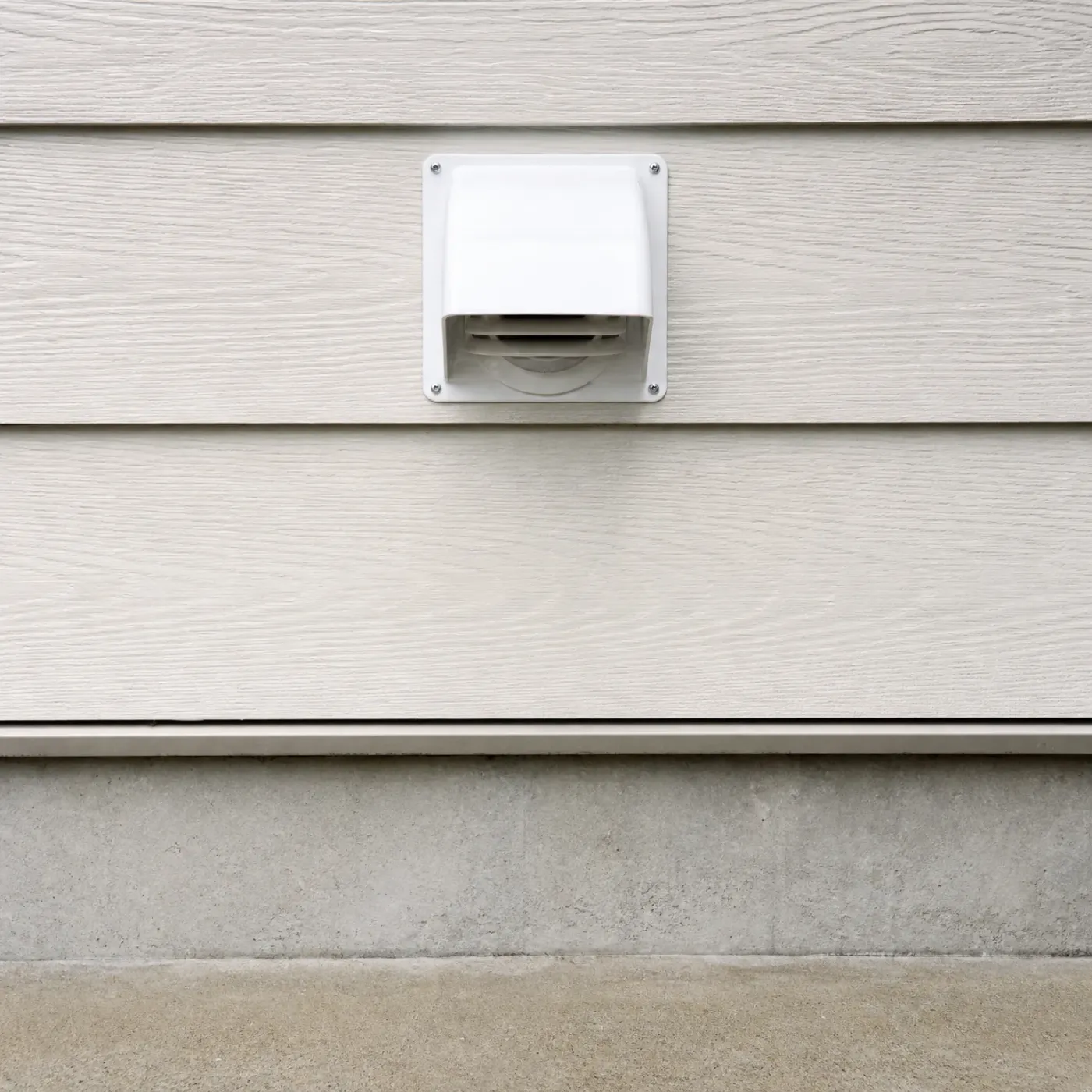
A white hooded dryer vent with a louvered flap mounted on beige horizontal lap siding above a concrete foundation wall.

Clear vent hood

Air pushes the flaps open wide and they swing shut between cycles. No lint around the screws, no buildup on the cap itself. Hold your hand near it while the dryer runs and you'll feel a steady, warm push of air coming out.

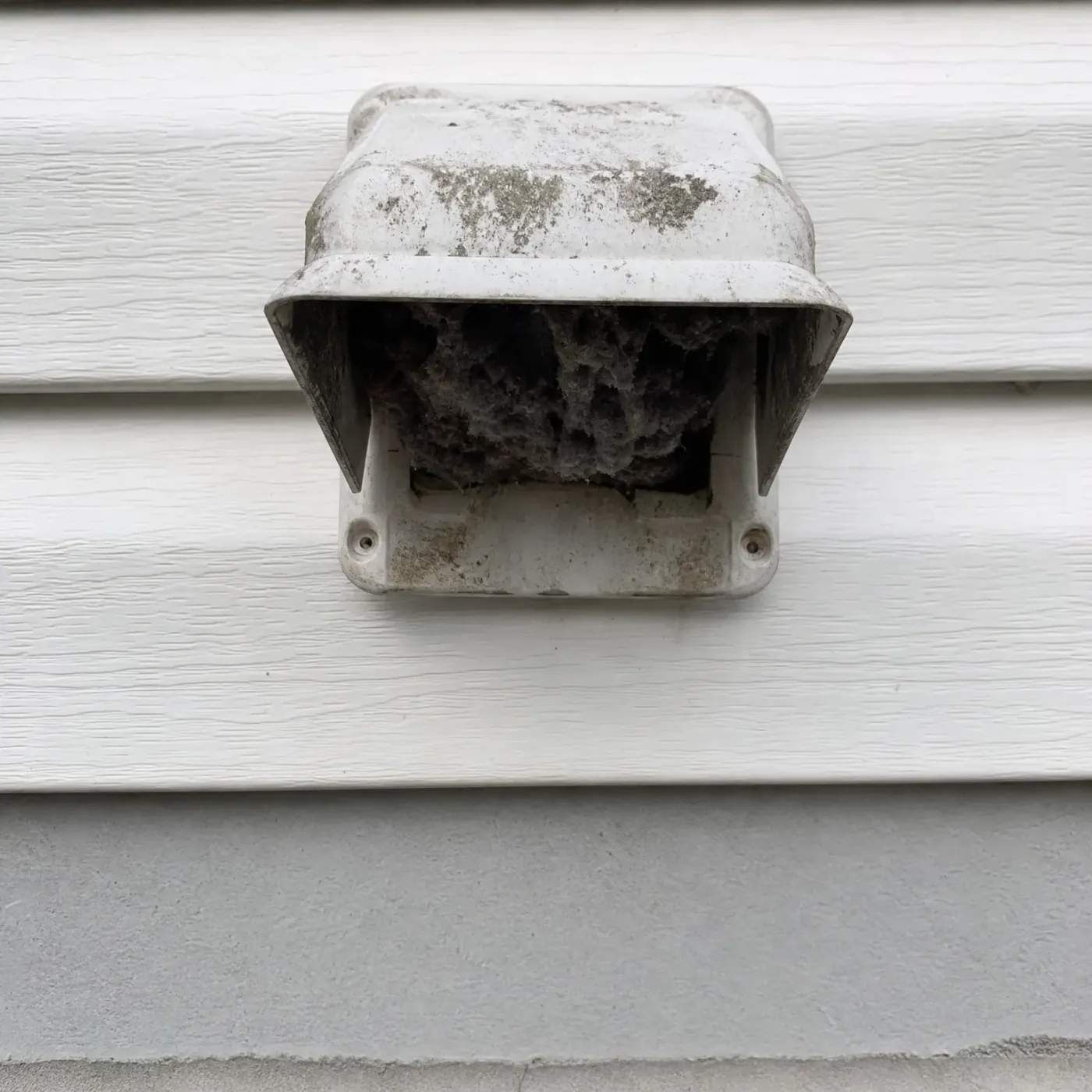
A white plastic dryer vent hood on horizontal lap siding, clogged with thick gray lint and dirt, above a lighter concrete foundation wall.

Clogged vent hood

Lint has packed the opening so tight the flaps can't move. What air does escape carries dust and grime back onto the cap, which is why it looks dirty and streaked. This is what's behind clothes that won't dry in one cycle.

Clear It Yourself or Call for a Cleaning

Clean the vent yourself

  • A brush kit reaches most of the straight run and pulls out the lint sitting just past the dryer or just inside the hood.
  • It costs you nothing but time and works fine if the clog is light and the run is short and mostly straight.
  • You can't see what's happening in the middle of a long run or around a bend, so you're working blind past a few feet in.
  • If the vent runs through a wall or up through a floor, a brush from either end may never meet in the middle.
  • Doing it yourself tells you whether airflow improved, but it won't tell you if lint is packed in a section you couldn't reach.

Have it professionally cleaned

  • A full cleaning uses a rotating brush and vacuum run the entire length of the duct, including bends a handheld kit can't reach.
  • It clears lint from runs that go through walls, attics or multiple floors, not just the open ends.
  • The person doing it can check the hood flap, the duct connections and the vent's condition while they're in there.
  • It settles the question for the whole season instead of leaving a middle section unchecked.
  • With 3.09 people in a typical household here pushing more loads through the dryer, a longer run benefits from a cleaning that reaches past what a brush kit can.
A white hooded dryer vent with a square mounting plate fastened to beige horizontal lap siding above a concrete foundation wall.
Air pushes the flap open wide with each cycle and it swings shut clean when the dryer stops.
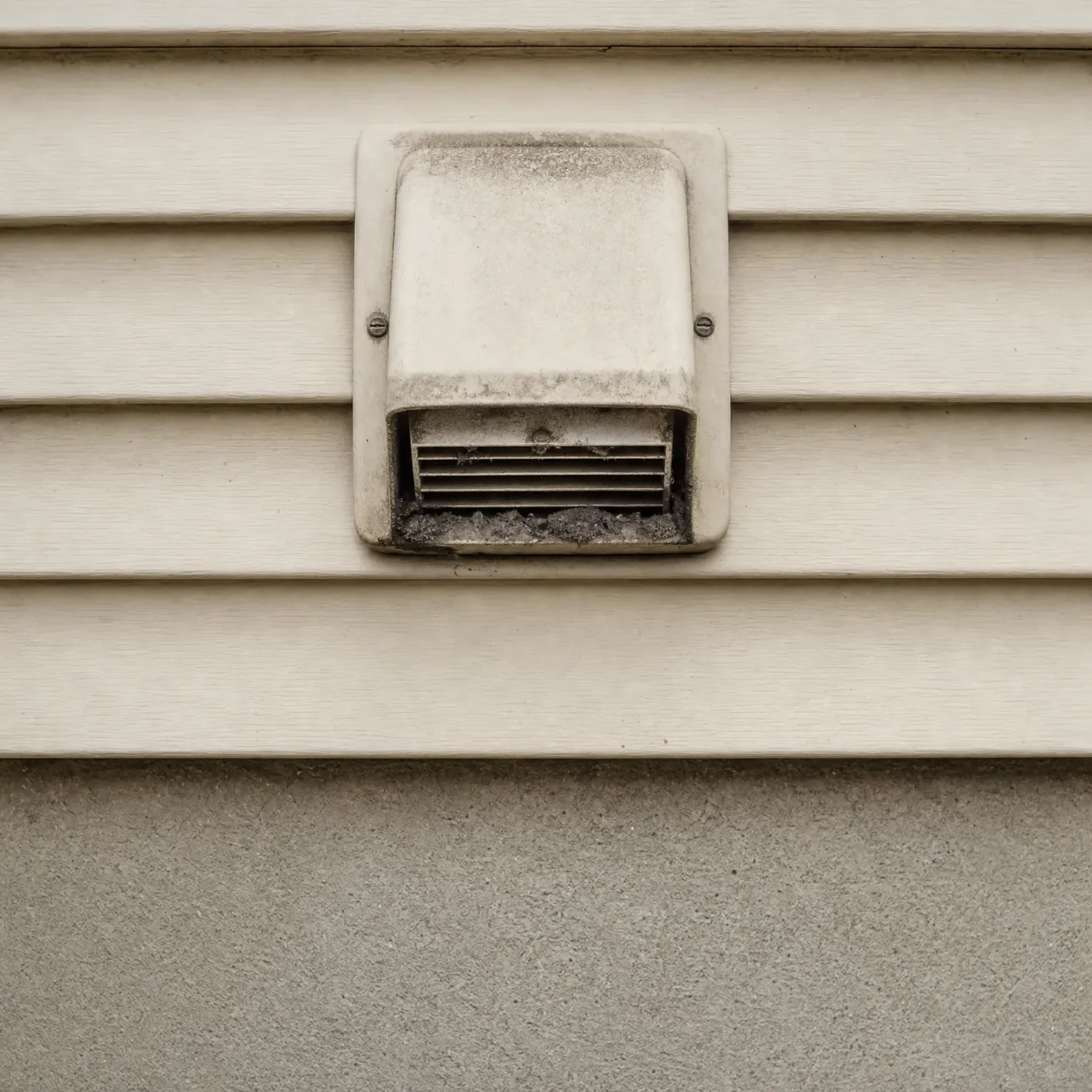
A dusty plastic louvered dryer vent hood screwed into beige horizontal vinyl siding above a gray stucco foundation wall, with lint buildup around the slats.
Lint cakes around the louvers and across the cap, and the flap barely lifts off its seat.
A smiling bearded man in a dark blue henley shirt sits leaning back on a light grey sofa in a living room, with a bowl of popcorn on a wooden coffee table and a large window behind him.
A bearded man in a dark quarter-zip sweater sits smiling on a brown sofa in a dimly lit living room, with a bowl of popcorn and a mug on a table in the foreground and a potted plant near a window behind him.
A smiling man with graying dark hair and a beard, wearing an olive sweater, sits on a sofa in a living room beside a bowl of popcorn on a wooden table.
A smiling man in a dark green henley shirt sits on a gray sofa in a living room with a lit table lamp, wooden shelving unit, and a bowl of popcorn in the foreground.

Find a dryer vent cleaning pro in Prince William County

After this form, you can stop searching for a dryer vent pro.

No fee to send it, and nothing to sign.

A dryer that takes two cycles to dry one load is pulling double the power through it and pushing double the lint into a vent that already can't clear itself.

Keep running it that way and the lint packed against the flap is the kind that catches, right where the heat is highest and nobody's watching.

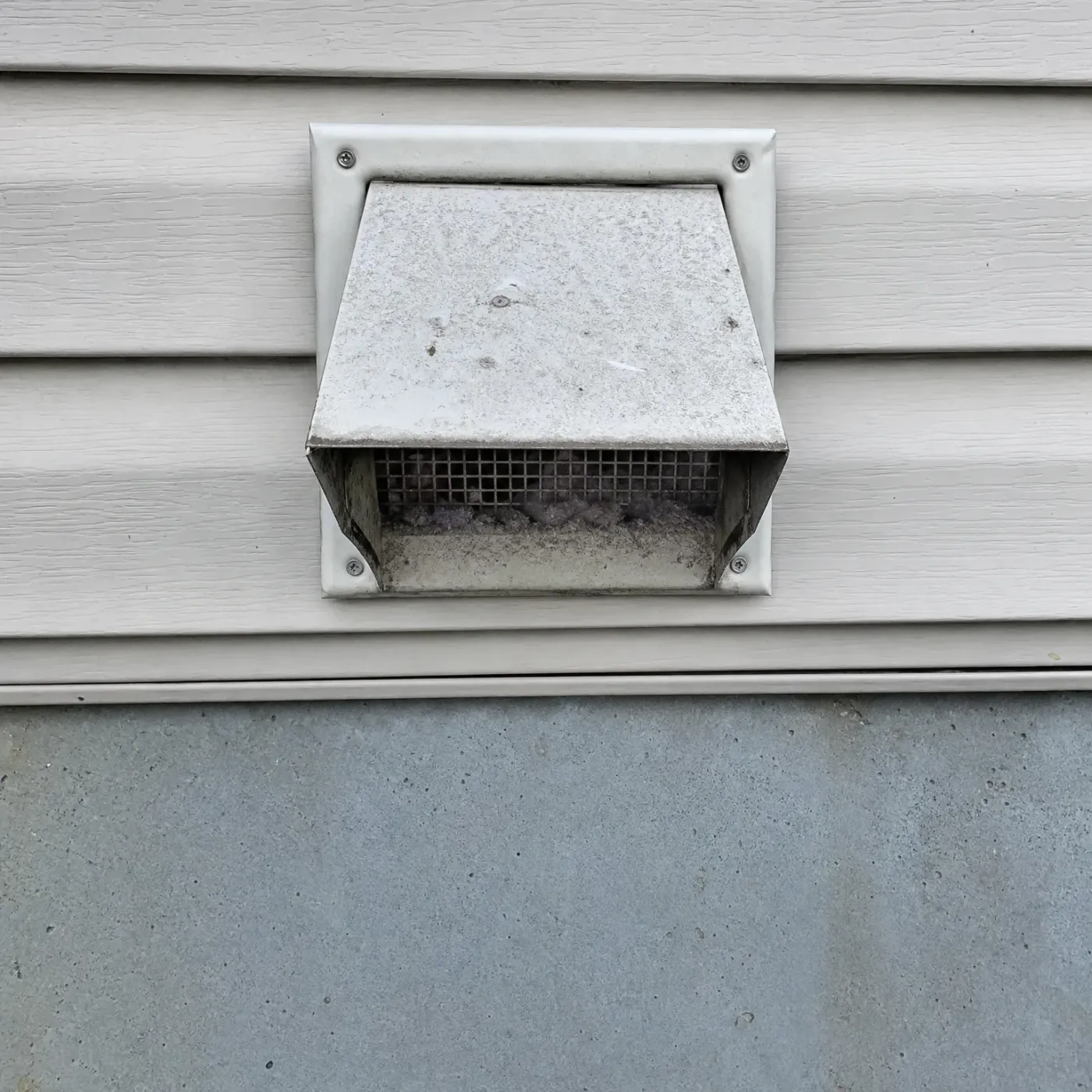
A metal dryer vent hood with a screened opening clogged by gray lint, mounted on light gray horizontal vinyl siding above a concrete foundation wall.
Before you get your dryer vent cleaning
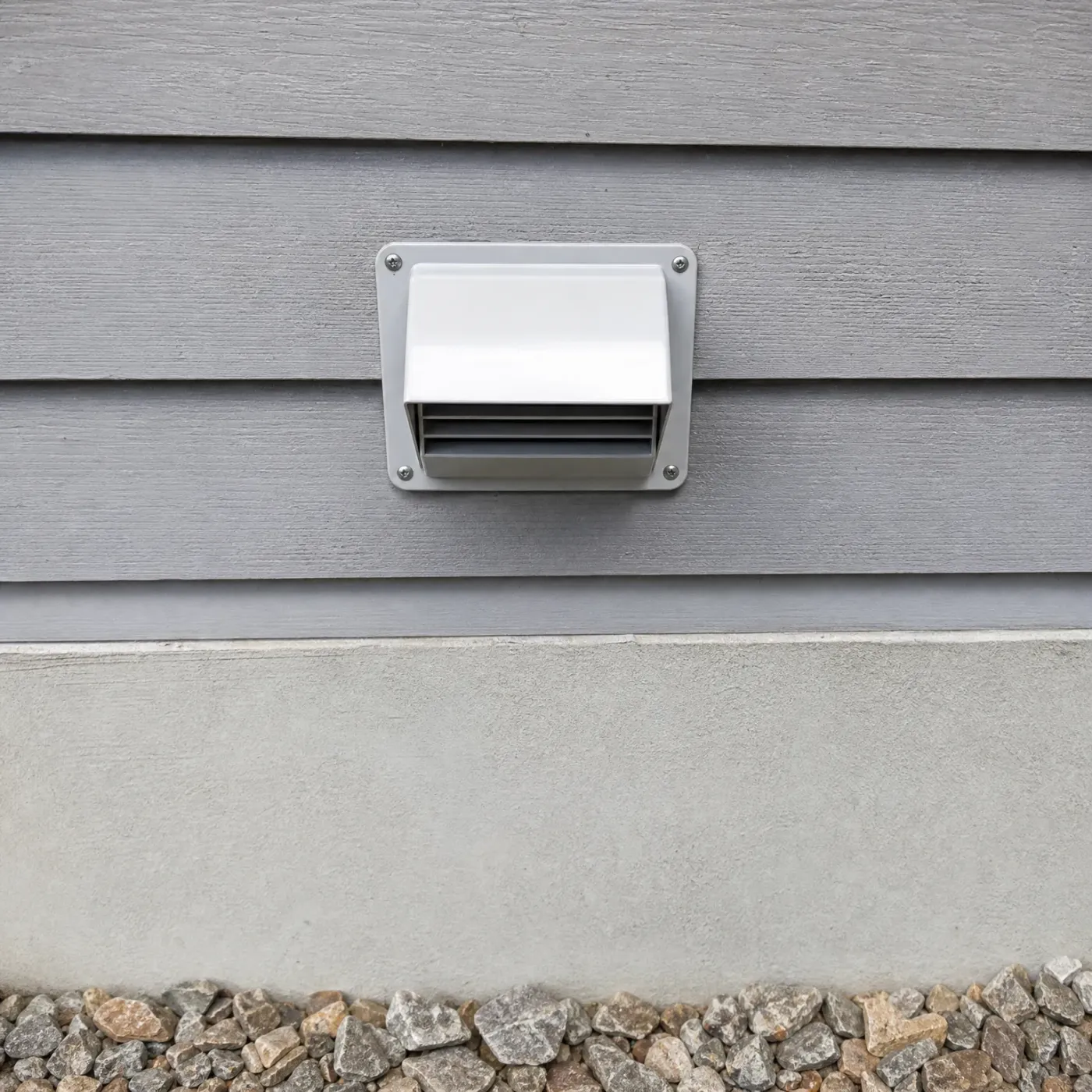
A white hooded louvered vent screwed to gray horizontal lap siding above a concrete foundation wall, with gravel along the ground.
After you get your dryer vent cleaning

A dryer vent doesn't clog evenly along its length. Lint settles where the airflow slows down, and that happens at specific points you can picture. Right behind the dryer, where flexible duct connects to the wall, airflow narrows. At the far end, where the duct meets the outside hood, it narrows again. Every elbow in between does the same thing on a smaller scale, which is why a vent run with three or four bends clogs sooner than one that goes straight out the back wall. The duct material matters too. Rigid metal keeps air moving at a steady speed, but foil or plastic accordion duct sags between its ridges, and lint drops into those low spots instead of riding through. The outside hood tells you what's happening inside. Its flap should swing open wide while the dryer runs and snap shut once it stops. A flap that barely lifts means something upstream is already restricting airflow, and that restriction is also where heat and lint build up together, right behind the flap itself.

Where the lint actually collects

  • Lint builds up fastest at the two tightest points in the run: right where the duct leaves the back of the dryer and right where it meets the outside hood.
  • Every elbow or 90 degree bend in the vent run slows the airflow enough for lint to settle out, so a run with several turns clogs well before a straight one does.
  • A rigid metal duct moves lint along smoothly, but foil or plastic accordion duct sags between its ridges and catches lint in those low spots over time.
  • The flap on the outside hood is meant to swing open wide under full airflow and snap shut between cycles, and a flap that barely moves is the clearest outside sign of a blocked run.
  • Lint is flammable and builds up fastest right behind the flap, which is also the hottest point in the system since it's where the heated air is trying to escape.
  • A dryer with a partial clog runs hotter and longer on every load, and that extra heat is what ages the heating element and the thermal fuse faster than normal.
A woman in a cream knit sweater reclines on a sofa with her eyes closed and a slight smile, a closed dark book resting on a blanket in the foreground and a lit lamp and small potted plant behind her.
A smiling bearded man in a dark green sweater sits at a dinner table with a glass of red wine, a bowl of salad and a lit candle in the foreground, in a dimly lit room with a framed picture, lamp and potted plants behind him.

What a clogged vent tells you

  • Weak airflow at the hood, a hot laundry room, and clothes needing a second cycle are the three signs that point to a clogged vent.
  • A burnt smell or a dryer that shuts off mid cycle means the clog has gone from inconvenient to a fire risk.
  • The clog almost never sits in one place; it builds at the back of the dryer, at each bend, and at the hood itself.
  • A vent clearing on its own does not happen, so the dryer will keep working harder until the run is cleaned out.
  • Once you send the form, you are done hunting for who to call, and the next step is on them.

The signs don't show up all at once. First a load that used to take forty minutes starts taking seventy. Then the laundry room holds heat long after the cycle ends. Then one day you catch that burnt dust smell, and that's the vent telling you lint has packed in tighter than it can push air through anymore. None of that clears itself. The dryer doesn't adjust or compensate. It just keeps shoving the same amount of hot, damp air into a duct that has less and less room for it to go, and every load after that leaves more lint behind than the one before. That's why the clog shows up at the back of the dryer and at the hood outside at the same time. Those are the two narrowest points in the run, and lint settles out anywhere the air slows down, including every bend in between. A dryer that shuts off before the cycle ends is doing that on purpose. The high limit switch is cutting power because the air coming back at the heating element is hotter than it should be, and that's the dryer protecting itself from a vent that can't keep up. Once you see two or more of these at once, the vent is the problem, not the dryer. Sending the form is the last thing you have to figure out yourself. From there, finding someone who can clear the run is off your plate.

A dark gray hooded exterior vent cover with a louvered opening mounted on dark horizontal lap siding, viewed at a steep angle.

The right pro for this job

One request and the search for a pro is handled.

Duct and vent cleaningPrince William County, VA
Step 1 of 3

What kind of equipment?