Ducts moving clean air
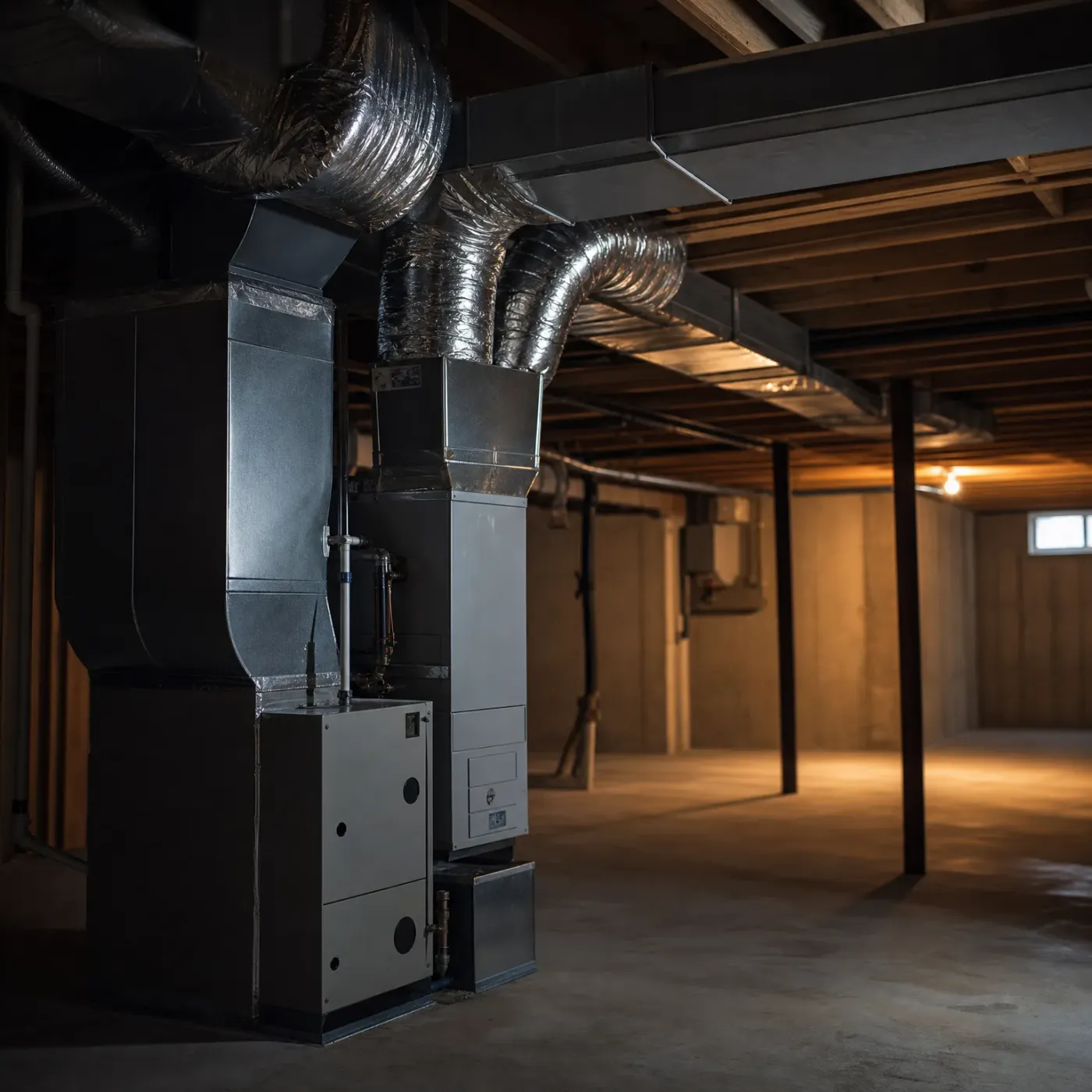
This is what a duct system looks like when it isn't the problem. Air moves through the galvanized metal and flex runs without picking up a load of dust along the way, so what comes out the vents is close to what went in.
Finding a pro stops being your job
Dust settling back on the furniture a few days after you clean usually means your duct system is feeding it right back into the air. With summers here running sticky and electric heat moving a lot of air through those ducts all winter, buildup inside them is common. This page gets into why, and what duct cleaning does about it. Send the form and skip the work of hunting down someone to call.
Let a pro reach outThe dust comes from inside your ducts, not just from open windows or floors. Every time your system runs, air moves through that ductwork and picks up whatever has settled on the inside surfaces, then carries it right back into your rooms. Virginia summers get humid enough that dust binds with moisture inside the ducts and clings to the walls instead of blowing straight through, building into a coating over time. Electric heat in the winter months means long, steady runtimes moving air through the same ducts, so whatever is loose in there gets stirred up again and again. Wiping down furniture only deals with what already landed. As long as the supply inside the ducts stays, the system keeps restocking it, day after day, no matter how often you clean. A duct cleaning clears that buildup out at the source, so the air moving through your home afterward isn't carrying it anymore.

Sticky summer air carries moisture into your ductwork, and that moisture lets dust and debris cling to the inside walls of the ducts instead of blowing straight through. Layer by layer, it builds into a coating. Once a coating forms, normal airflow starts knocking loose pieces of it every time the system cycles, which is why the dust keeps coming back no matter how often you wipe it down.

Electric furnaces push air through the same ducts all winter to keep rooms warm, and that means more hours of air moving across whatever has built up on the duct walls. Each cycle disturbs a little more of it. By the time winter is over, ducts that went uncleaned have had months of steady airflow working loose material and carrying it back into every room the system serves.
You dust and vacuum on a Saturday, and by Tuesday the furniture looks like you never touched it. It feels like the house is working against you, especially with how much you already put into keeping it clean in the evenings after work.
Every time your furnace or air handler kicks on, air pulls through the return, past the coil, through the ductwork, and out into your rooms again. If dust has built up inside that ductwork, each cycle carries a fresh layer of it out through the vents. Cleaning the room only deals with what already landed. It doesn't touch what's sitting inside the ducts waiting for the next cycle to push it out. With electric heat moving air through those ducts for months at a stretch, and humid summers helping dust stick to the duct walls instead of blowing through, the supply inside the ductwork keeps refilling faster than most people expect.

This is what a duct system looks like when it isn't the problem. Air moves through the galvanized metal and flex runs without picking up a load of dust along the way, so what comes out the vents is close to what went in.

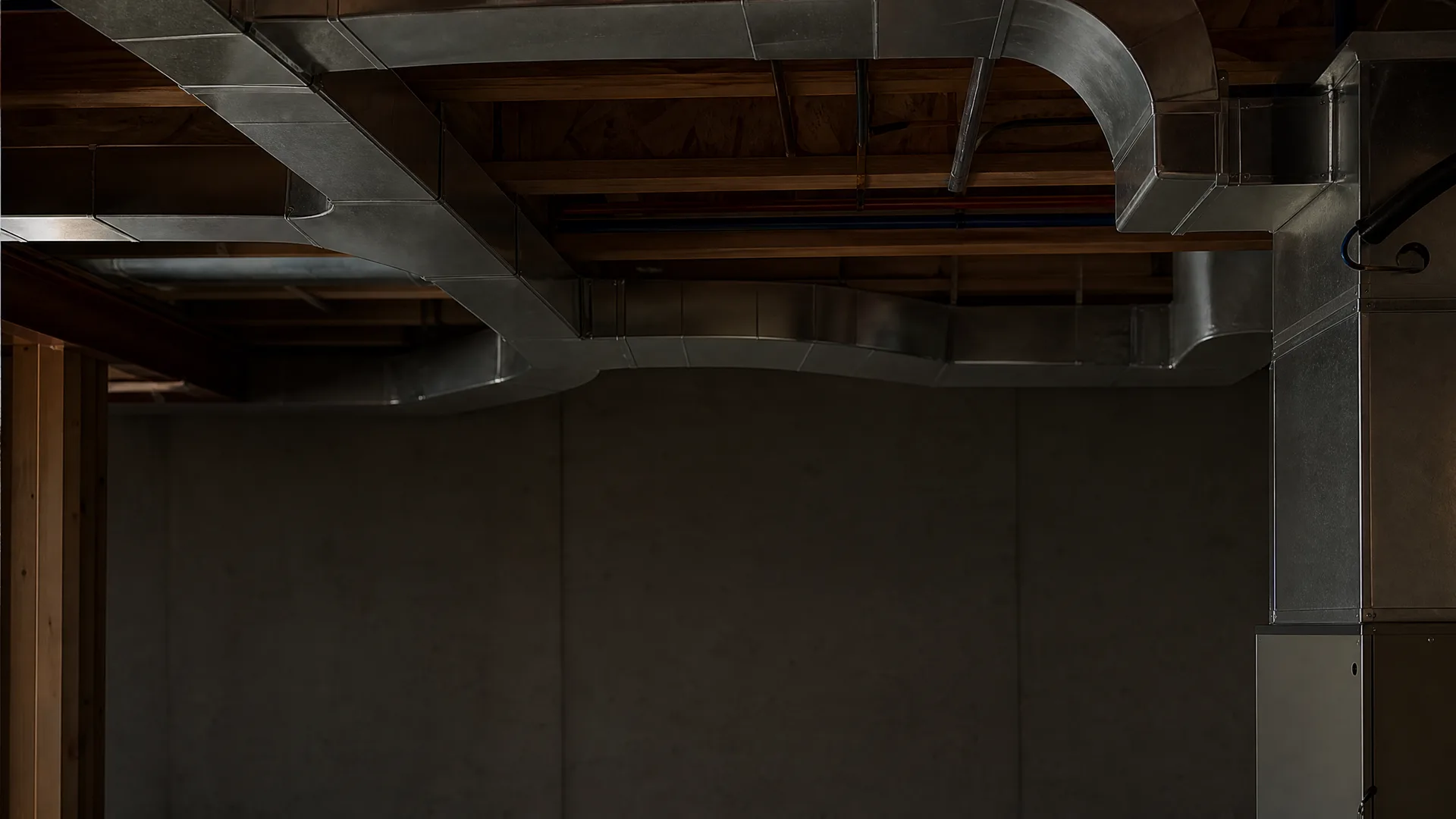
Bare concrete walls hold more moisture, and that moisture works its way into the ductwork running overhead. Dust sticks to those surfaces instead of passing through, and every cycle sends some of it back into your rooms.
At 15.28 cents per kilowatt-hour, running the blower longer than it needs to costs you something every month. A duct system coated in dust makes the system work harder to push air through, so cleaning it out isn't just about the dust on your furniture.
EIA-861 2025 statewide residential average




One form replaces the calls you'd make to find a duct system pro.
You only hire the pro if you want to.
Every evening you spend at home, you're breathing whatever that air is carrying. If the ducts are coated, that's what's moving through the vents while you're sitting in the living room or sleeping in your bedroom. It settles on the end tables and shelves you just wiped down, and it settles in your lungs too. With electric heat pushing air through those same ducts all winter and the AC running hard through the sticky months, there's no part of the year your household isn't pulling whatever's inside that ductwork into every room you use.
You can wipe every surface in the house on a Sunday and by midweek it looks like you skipped a month. That's time pulled from whatever else you'd rather be doing that evening, spent redoing a job you already did. The dust isn't coming from your windows or your shoes. It's coming out of the vents every time the system kicks on, which means the surface cleaning only ever buys you a day or two before you're back on your knees with the vacuum again.


You keep dusting, the vents keep feeding it back, and the evening you meant to spend relaxing goes to wiping down surfaces again.
Once someone clears the ducts out, you're not up against a system working against you. You send the form and stop hunting for who to call.


The dust on your furniture isn't a sign you're falling behind on cleaning. It's a sign of what's built up inside your duct system. Virginia's sticky summers put moisture into that ductwork, and dust clings to anything damp. Then electric heat kicks on and pushes air through those same ducts all winter, carrying the buildup into every room you spend time in. That's why the dust comes back days after you've wiped everything down. It was never really gone. It was sitting in the ducts, waiting for the next time the system ran.
A coated duct system doesn't just mean more dust. It means the blower has to work harder to push air through, and that shows up on your power bill every month. Clearing the ducts out addresses both at once. Once the inside of that system is clean, what comes out the vents is close to what went in, and the furniture you dusted on Saturday still looks that way on Tuesday.
Getting there usually means calling around to a handful of companies, explaining the same problem each time, and sitting with a stack of quotes trying to sort out who actually does the job right. Sending one form instead means that search is no longer something you have to carry. You already know what's wrong with your air. The next step is finding someone to fix it, and that part doesn't have to be yours to manage.
Answer a few questions about the duct cleaning and skip the search.
