
How often to clean a dryer vent in Virginia

A square stainless steel wall vent hood with a hinged flap cover and a round mesh-screened duct opening, shown centered against a plain light gray background.
Send my request

How often should I clean my dryer vent in Virginia?

You run a load of towels and notice it's taking longer to dry than it used to, or the top of the dryer feels warm to the touch. Before that turns into a bigger problem, you want to know how often the vent actually needs attention, not a vague rule, but something you can put on a calendar.

Once a year, every year

Lint builds up inside the vent every time you run the dryer, and a once a year cleaning keeps it from turning into a clog. Virginia summers get sticky, and that humidity mixes with lint to form a damp buildup that sticks to the inside of the duct instead of blowing out with the air. A vent that's clear moves hot, wet air outside in one pass. A vent that's partly blocked keeps that heat and moisture circulating back through the dryer, which means longer dry times and a dryer that's working harder than it should. Most homes here heat with electric systems, so the dryer isn't sharing a flue or venting path with a furnace, but it still needs its own clear path outside, checked on that same yearly schedule.

A smiling man in a dark green shirt over a white t-shirt sits at a kitchen counter with a dark mug, looking off to the side, with shelves, plants and a bright living area behind him.
A man in a gray long-sleeve waffle-knit shirt smiles and looks off to the side in a kitchen with open shelving, a refrigerator, a wooden sideboard with a potted plant, and a glass door to the right.
A man in a dark green ribbed sweater stands smiling and looking off to the side beside a stone kitchen counter with a ceramic mug, with a dining table, pendant lights, and large windows in the background.
A bearded man in a gray long-sleeve shirt stands smiling and looking off-camera beside a kitchen counter with a white mug, with a living room, fireplace and wall-mounted television behind him.

Clean It Yourself or Call a Pro

Clean it yourself

  • A soft brush and a vacuum reach the first few feet of duct from either end without taking anything apart.
  • You can check the outside hood yourself to make sure the flap opens and closes when the dryer runs.
  • Lint that collects right at the drum or the vent opening is easy to see and easy to pull out by hand.
  • Long runs, vents with turns, or ducts that go up through a roof are hard to clear from either end.
  • There is no way to see lint sitting in the middle of a long duct run or packed into an elbow.
  • Doing it yourself works best as something you keep up with between fuller cleanings, not instead of one.

Have it cleaned

  • A contractor who cleans vents in Virginia homes every season has the rods and motorized brushes to clear the full run, not just the ends.
  • They can tell whether lint is building up because of the vent's length, a tight bend, or a hood flap that sticks.
  • A full cleaning clears buildup you can't reach or see, including what's packed into elbows and roof runs.
  • Someone who works on this equipment regularly knows which setups in Virginia homes clog faster, like long runs to an upper floor or vents that exit near shrubs.
  • A dryer that's slow to dry or hot to the touch after a cleaning points to a problem beyond lint, like a damaged duct or a bad hood flap.
  • Once you send the request, one local licensed contractor takes it from there instead of you tracking down who to call.
A white hooded exhaust vent with a louvered opening mounted on white horizontal lap siding, with blank white space at right.

Why lint builds up faster here

Virginia summers run sticky, and that moisture gets pulled into the dryer along with the air it exhausts. Damp lint doesn't float out through the vent as easily as dry lint does. It clings to the inside of the duct instead, especially near bends, and builds up in layers you can't see from either end. A vent that looked clear in spring can be half blocked by August.

A metal hooded exterior vent cover screwed to beige horizontal lap siding, next to a plain white wall corner.

What a clogged vent costs you

The dryer's heating element has to push air against more resistance once lint narrows the duct. It runs longer to get clothes dry, and most homes in Virginia heat that dryer with electricity, so the extra runtime shows up on the power bill even though rates here are typical. A blocked vent also traps heat inside the dryer itself, which shortens the life of the parts that run hot.

Power costs 15.28 cents per kilowatt-hour statewide

Most homes here heat with electricity, and at 15.28 cents per kilowatt-hour, a dryer running harder because of a clogged vent shows up fast on the bill. A clear vent means shorter cycles, and shorter cycles mean the dryer draws power for less time.

EIA-861 2025 statewide residential average

A smiling bearded man in a green t-shirt sits on a gray sofa, looking down toward a device at the bottom of the frame, with a bookshelf and a green plant blurred behind him.
A bearded man in a plaid flannel shirt stands indoors looking out a window at snow-covered conifers, with a ceramic mug on the wooden sill and wooden cabinets behind him.
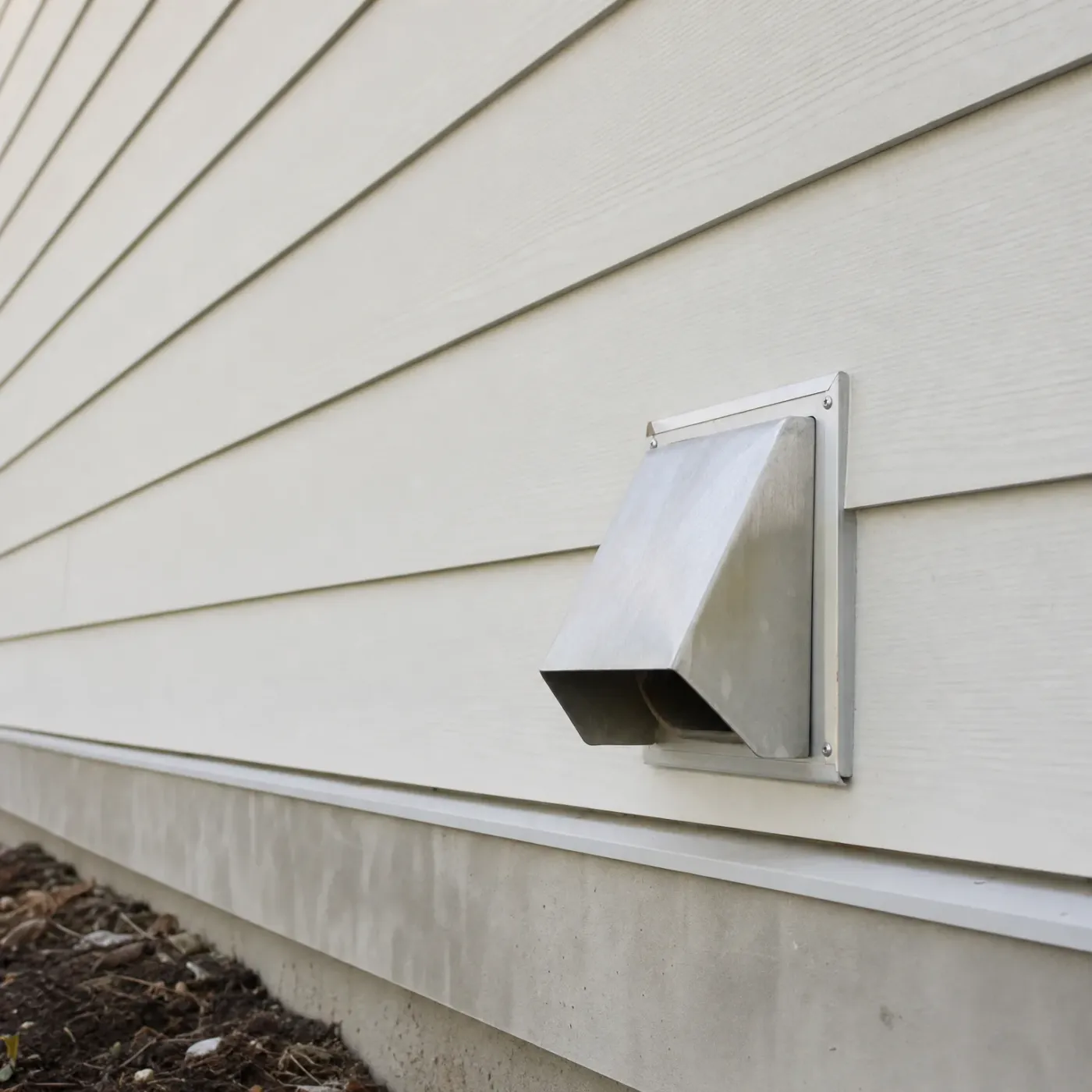
A metal hooded dryer vent mounted on cream-colored horizontal lap siding above a concrete foundation, with bare soil at the lower left.

Stop chasing a dryer vent pro

Your dryer vent cleaning request goes to one local pro.

Send it once and finding someone is no longer on you.

Get one local pro

Asking costs nothing, and the choice to hire stays yours.

Why is my dryer taking two cycles to dry a load now?

You load the same towels you always do, and now it takes two runs to get them dry. The dryer door is hot when you open it, and the laundry room feels warmer than the rest of the house. You might catch a faint burnt smell, especially a few minutes into the cycle. Lint shows up around the drum seal or on the floor behind the machine where it never used to. None of this is random. A blocked vent keeps the hot, damp air from leaving the duct, so the dryer keeps heating against air that has nowhere to go. Left alone, that trapped heat is how lint fires start, and it's the main reason this is worth checking rather than living with.

A white hooded dryer vent with a square screwed-on flange mounted on gray horizontal lap siding, above a concrete foundation wall edged with gravel stones.

Vent clear and venting

The flap sits flush against the siding and swings open when the dryer kicks on, closing again as soon as it stops. Air and lint shoot out in a steady burst. No buildup around the hood, no screen behind it catching anything it shouldn't. A load of towels comes out dry in one cycle.


A lint-clogged hooded dryer vent mounted on light gray horizontal lap siding above a concrete foundation wall.

Vent clogged and stuck

Lint has packed into the hood until the flap can't fall shut anymore. It hangs open whether the dryer is running or not, which gives mice and bugs a way in. Airflow that should shoot out now barely pushes past the blockage, and that's the lint feeding a dryer fire.

Once a year gets most homes through, maybe closer to every nine months if you run several loads a week or your duct run is long. Checking the hood each season catches the rest. A dryer that dries in one cycle and shuts off warm, not hot, is telling you the vent is doing its job. When it starts running longer or the room gets warm, that's your signal to have it cleared again, not a date on the calendar. A local contractor who clears vents in Virginia homes all year knows how fast lint builds up in this humidity and what a hood looks like when it's close to blocked. You'll be matched with one, not several, so there's no juggling calls or comparing strangers. Just someone who already knows what tends to fail in houses like yours and can tell you straight whether what you're seeing is normal wear or a vent that needs attention now.

A single-story stone-clad house with low-voltage path lights along a gravel bed and lawn at dusk, with a tree line and orange sky on the horizon.

Dryer Vent Cleaning

Send one request and you're done looking

Duct and vent cleaningVirginia
Step 1 of 3

What kind of equipment?

  • A ceramic table lamp with a tapered beige shade sits on a wooden side table with a drawer, beside a shallow wooden bowl holding a stone sphere and a potted green plant, next to an upholstered chair with a knit throw.
    • A local pro who cleans dryer vents gets in touch with you.
    • Your dryer vent cleaning request goes to a local pro who does this work.
  • A potted green trailing plant in a textured ceramic pot with saucer sits on a wooden side table beside a small wooden bowl, with a ceramic table lamp, framed picture, and sunlit window nearby.
    • One request and the dryer vent cleaning stops waiting on you.
    • Once you send the form, finding a pro is off your list.
  • A beige upholstered armchair with a green cushion and knit throw sits beside a tall indoor plant and a wooden side table holding a potted plant near a bright window.
    • Skip calling around for someone who cleans dryer vents.
    • Answer a few questions about the dryer vent cleaning and skip the search.
  • A beige upholstered armchair with a striped cushion and fringed throw sits beside a window with sheer curtains, next to a wooden side table holding a dark ceramic lamp, with a potted tree in a woven basket behind and a jute rug on the dark wood floor.
    • Your request goes to one pro, not a list of companies.
    • The pro who reaches out is licensed in Virginia.