
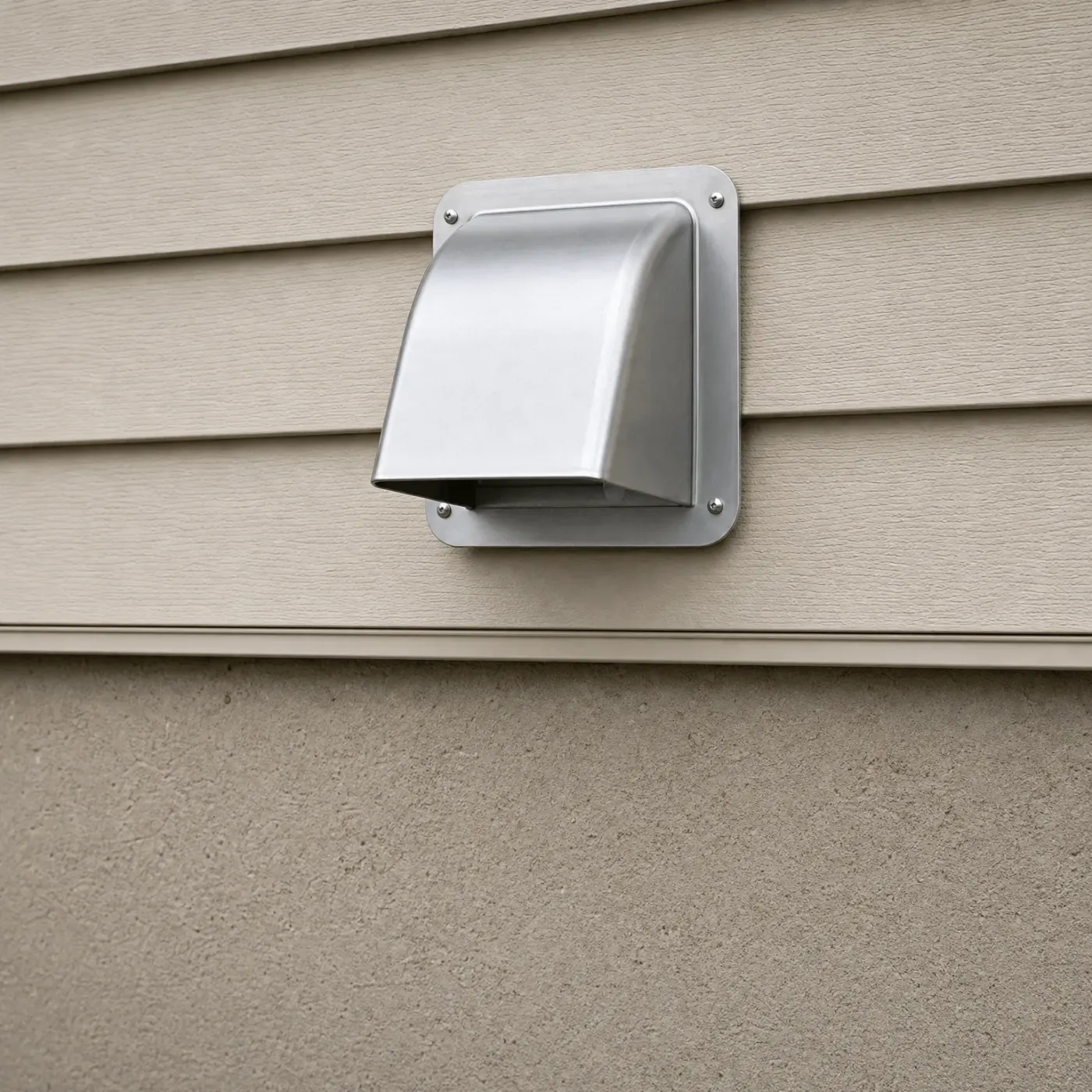
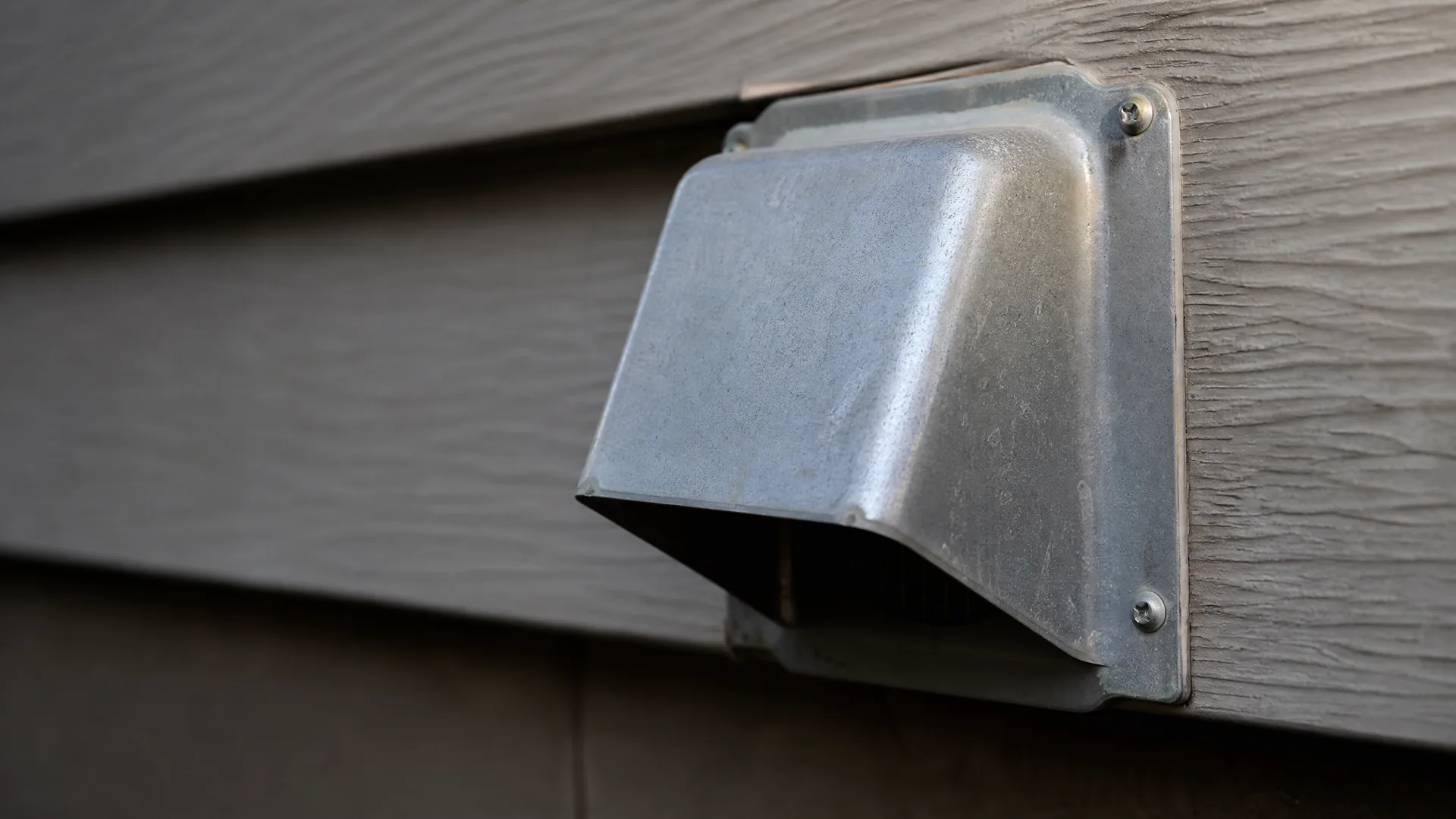
A clear vent, flapping free
When the vent hood can move the way it's built to, hot moist air pushes out fast and the louvers swing open with every cycle. Lint isn't catching on the way out. The dryer vents to the outside the way it's supposed to.
Send the request and finding a pro stops being your problem.
Hand it overYour dryer has been taking longer to finish a load, or you noticed the outside vent hood barely flaps when the dryer runs. You are wondering if that is just an inconvenience or something more serious. A clogged dryer vent is a known cause of house fires, and it is worth knowing why before it becomes a problem in your own laundry room.
Lint is highly flammable, and it builds up inside the vent every time you run a load. When the vent is blocked, hot air from the dryer has nowhere to go, so heat and lint collect right at the point where the heating element sits closest to the airflow. That is where a fire starts. A dryer working harder to push air through a clogged vent also runs hotter than it should, which adds to the risk. Virginia Beach summers are muggy, and that extra humidity in the air makes lint cling to the inside of the vent instead of blowing clear, so the buildup can happen faster than you would expect.




2.49 people per household on average
With 2.49 people in the average household here, that's a load of laundry most days of the week. More loads mean more lint moving through the vent, and more chances for it to build up where you can't see it.
Half the homes here were built by 1984
Half the homes in Virginia Beach were built in 1984 or earlier. A vent run that old has had decades to collect lint in bends and joints, even if it was cleaned once years back.
Power here costs 15.20 cents per kilowatt-hour
Electricity here runs 15.20 cents per kilowatt-hour, about average for the area. A clogged vent makes the dryer run longer to dry the same load, and that shows up on the bill before it shows up as a fire.
ACS 2020-2024 · EIA-861 2025

When the vent hood can move the way it's built to, hot moist air pushes out fast and the louvers swing open with every cycle. Lint isn't catching on the way out. The dryer vents to the outside the way it's supposed to.

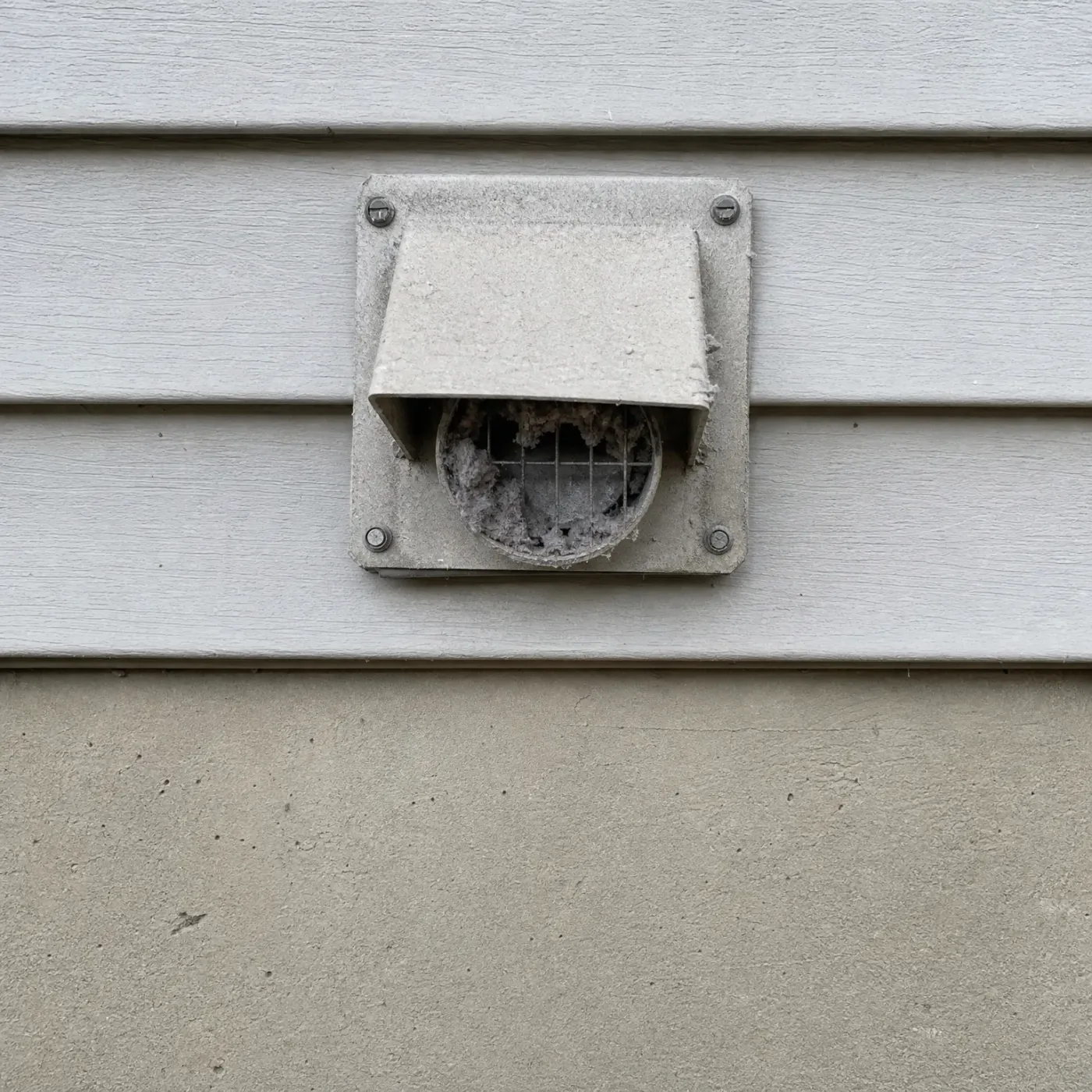
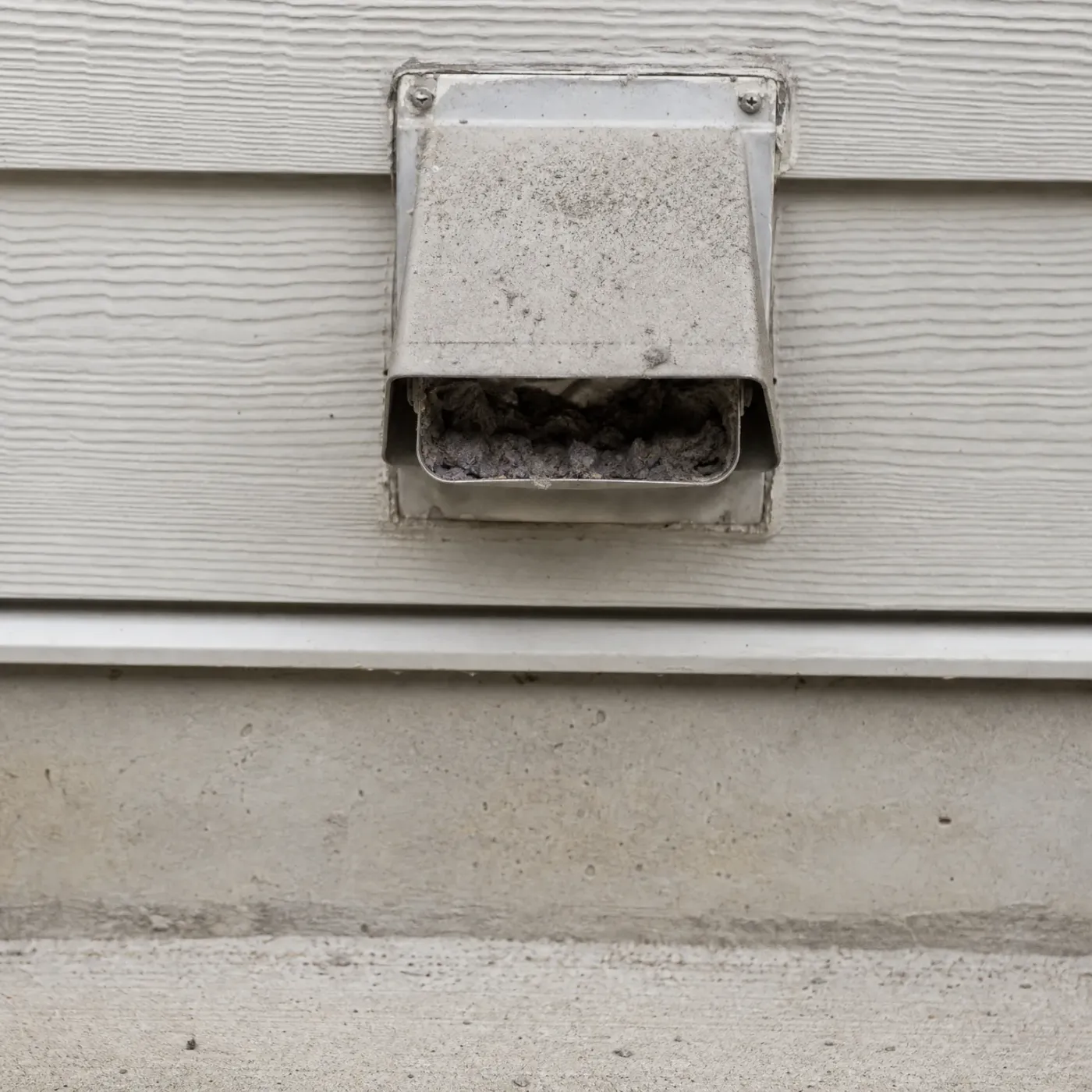
Lint has built up around the opening until the cap barely opens. Air that should be leaving your house is backing up into the duct instead, and so is the heat the dryer makes. That trapped heat has nowhere to go but back toward the lint feeding it.

It's a little past seven and you're still in your work clothes, standing in the laundry room because the dryer buzzed twenty minutes ago and the towels came out warm but not dry. You run your hand over them again just to be sure. Still damp through the middle, same as last time. You could run it again, you've done that before, but tonight you just pile them on top of the dryer and leave the door open a crack. Outside it's already muggy, the kind of evening that makes you wonder why the machine's working this hard in the first place. You flip the light off and head back to whatever you were doing before this started.
Check the lint trap. If it's catching less than it used to even though you clean it every load, the real buildup is further down the duct where you can't reach. Feel the outside of the dryer when it's running a cycle. If it's hotter than normal to the touch, or the laundry room itself feels warmer and more humid than it should, air isn't making it out through the vent the way it needs to. That warm, moist air has nowhere to go but back into the duct, and the lint sitting in there is what a dryer fire starts with. It's not the dryer malfunctioning. It's the exhaust path doing less than its job.
Lint builds up along the inside of the duct wall
Airflow slows, so the dryer runs hotter each cycle
Heat has nowhere to vent and collects near the drum
Trapped heat can ignite the lint built up around it

Skip searching for someone who cleans dryer vents in Virginia Beach.
After this form, you can stop searching for a dryer vent pro.
You only hire the pro if you want to.

Run the dryer with a blocked duct long enough and you're not just waiting around for towels to dry. You're running the heating element longer each cycle, in a house in Virginia Beach that's already asking your electric system to work through a long muggy summer and a cold winter. The lint sitting in that duct is fuel, and heat that can't vent out through the hood collects right where the lint is. That's the actual risk, not a scare line, just what happens when hot air has nowhere to go.
You could spend the evening calling around, explaining the warm-not-dry towels and the weak hood flap to three different companies, then sitting with three quotes trying to guess which one actually cleans the full duct run instead of just the end near the hood. Send the form here instead and that part's done. You're not vetting anyone or repeating yourself. You're just waiting on the person who's going to clear it.

At 2.49 people, your household is still running the dryer most days, not once a week. Each load pushes more lint into the duct, and a vent that was fine in the spring can be most of the way blocked by now.
ACS 2020-2024
A dryer fire isn't really about the machine. It's about what builds up in the duct that carries air away from it. Lint is cotton and polyester fiber, and both catch heat fast once they're exposed to it long enough. The heating element inside the dryer runs well past 100 degrees every cycle. That's normal. What isn't normal is when the air can't carry that heat outside fast enough, so it sits and concentrates instead of venting. If you've got flexible foil or plastic hose running from the dryer to the wall, lint catches in its ridges in a way it doesn't in smooth rigid metal duct. Even with rigid duct, lint still gathers anywhere the run bends, narrows, or goes on longer than it has to. It's not just sitting at the vent hood outside. There's a thermal fuse and a cycling thermostat meant to shut the dryer off if things get too hot, but both depend on reading the actual air temperature near the drum. Enough lint packed around them and they're not sensing what's really going on inside that duct. The fire itself usually doesn't start in the dryer. It starts in the ductwork, out of sight, which is why by the time anyone notices smoke or smells something burning, it's already had room to spread.


A clogged dryer vent in Virginia Beach is a fire risk, not just a reason for longer cycles. Lint burns easily, and a blocked duct holds heat against it instead of letting that heat vent outside. The dryer running hot, the louvers barely moving, the towels still damp after a full cycle: those are the signs, and they add up to the same answer. Clearing the duct is what fixes it, not another lint trap cleaning. You could spend time searching for someone who does this work, calling a few places to check availability, explaining what the dryer's been doing to each one, then weighing their quotes against each other. Send the form instead and that part is off your plate. You'll still need the vent cleared. But you won't be the one tracking down who can do it.
Done looking for a dryer vent pro