How Duct Leaks Actually Work
- Ducts leak at the joints and seams where sections connect, not through the metal or flex itself.
- A leak on the return side pulls attic or crawlspace air into the system before it ever reaches the furnace.
- A leak on the supply side pushes heated or cooled air into the attic instead of the room it was meant for.
- Mastic sealant holds up over time; cloth-backed tape dries out and lets go within a few years.
- Rooms farthest from the furnace lose the most air, since leaks along the way empty the duct before it gets there.
- A duct system pulling in outside air can throw off a thermostat's reading of the rest of the house.
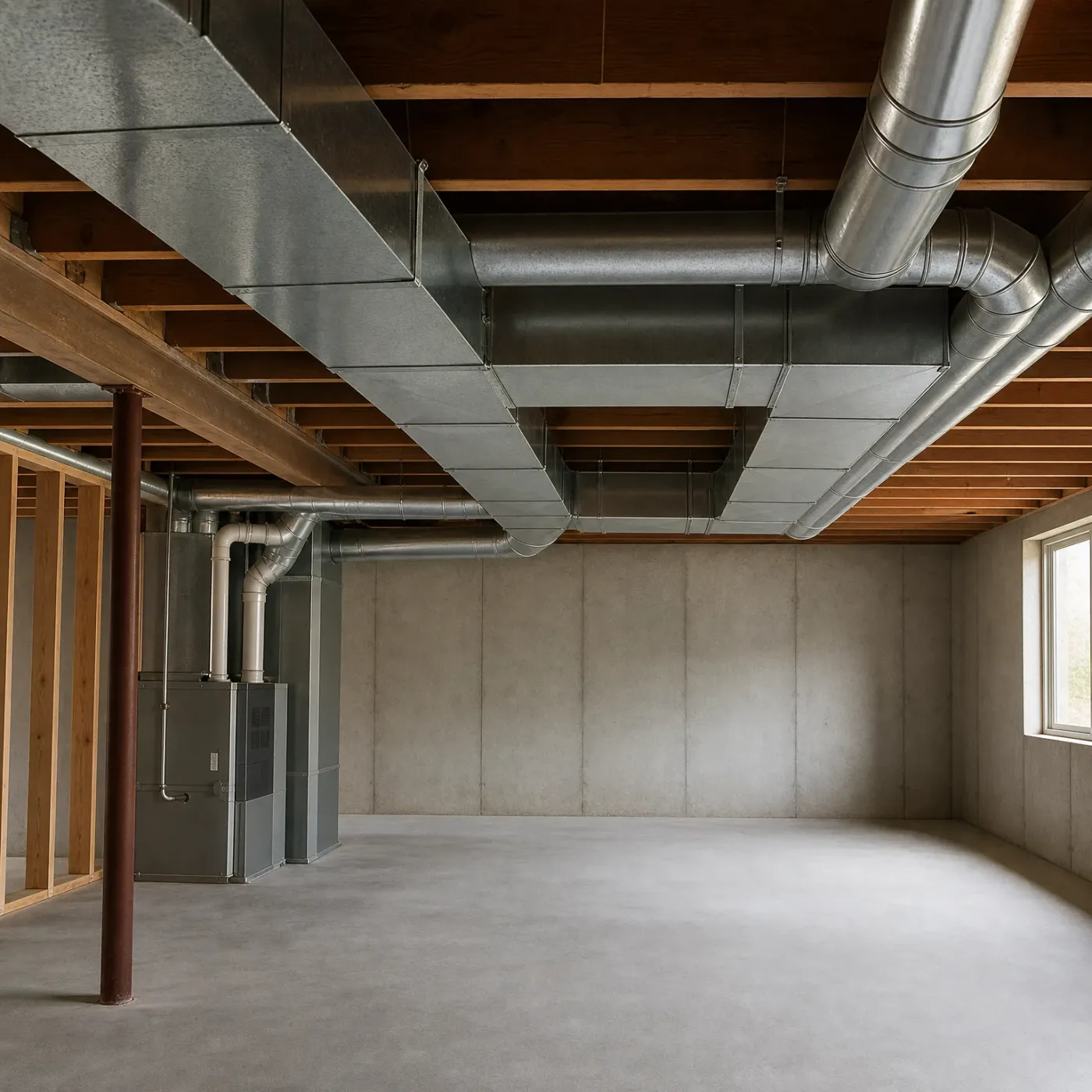
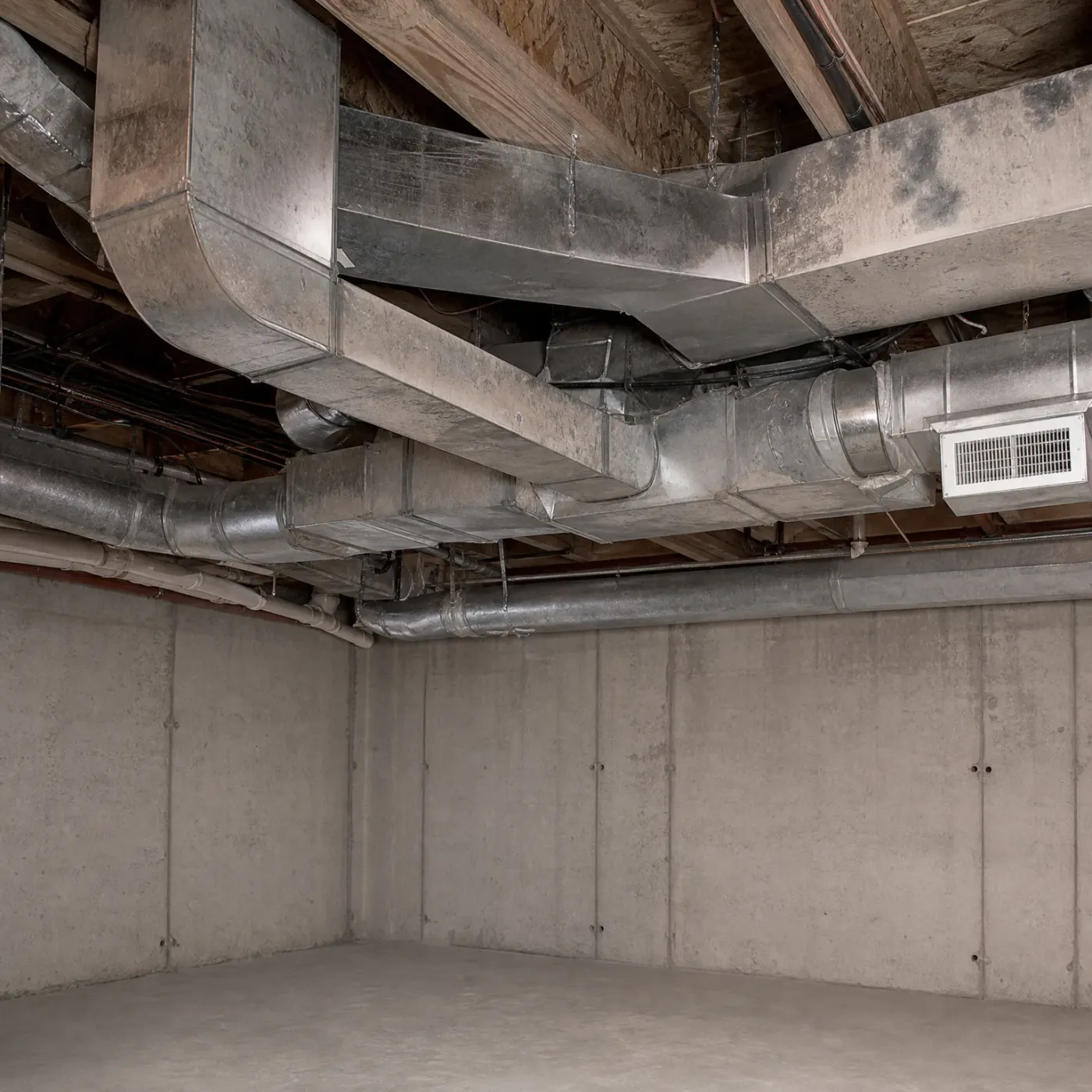
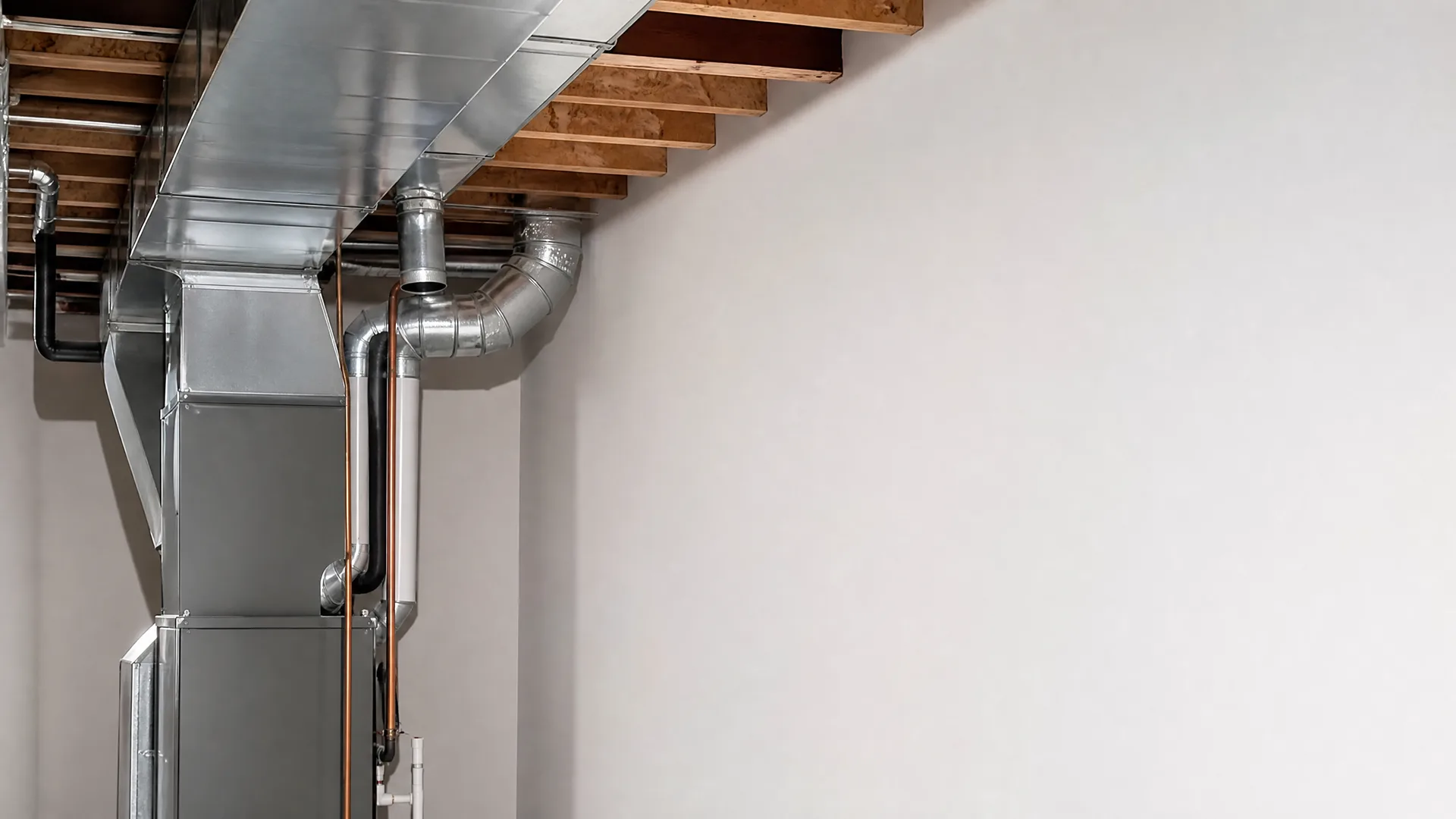
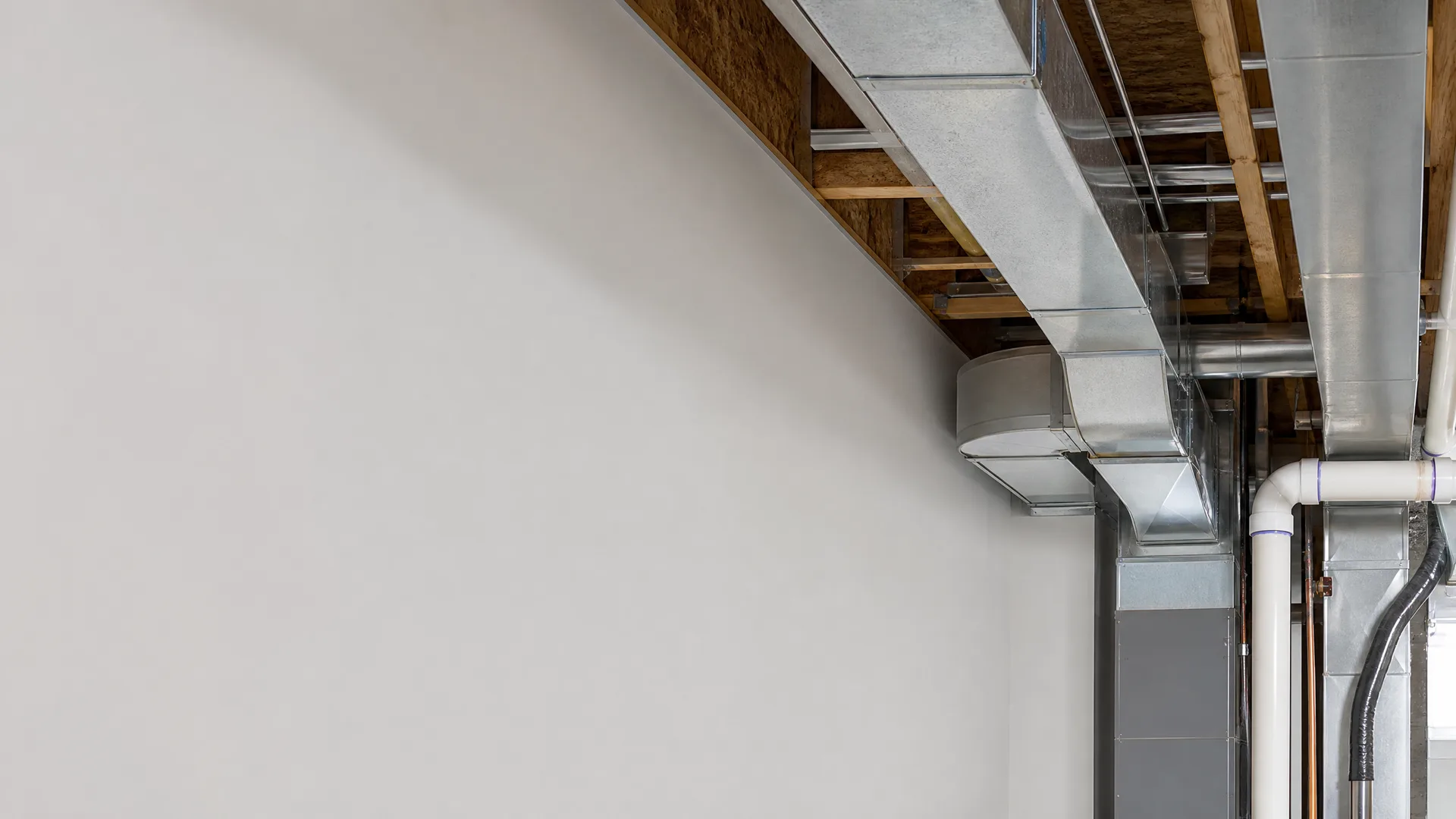
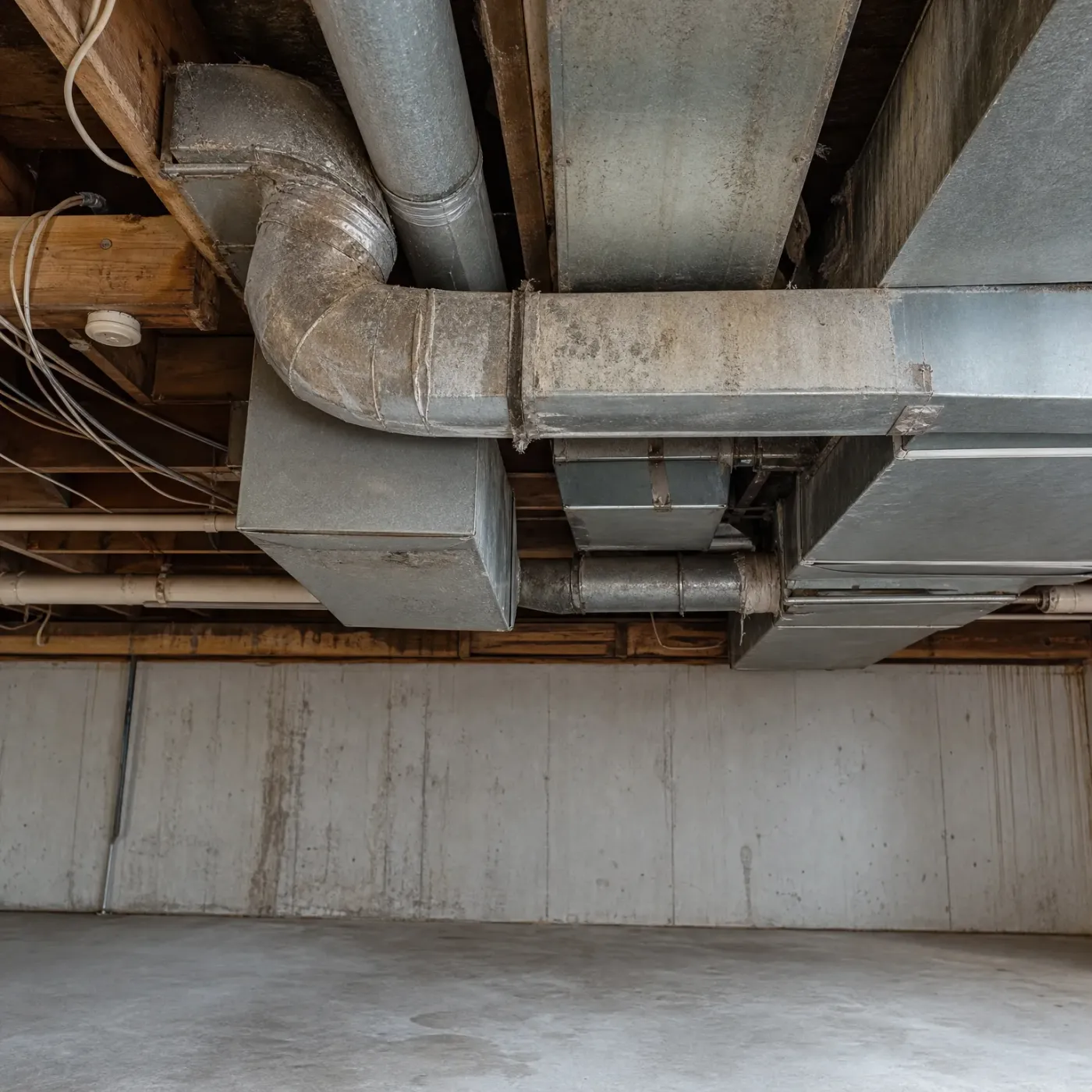
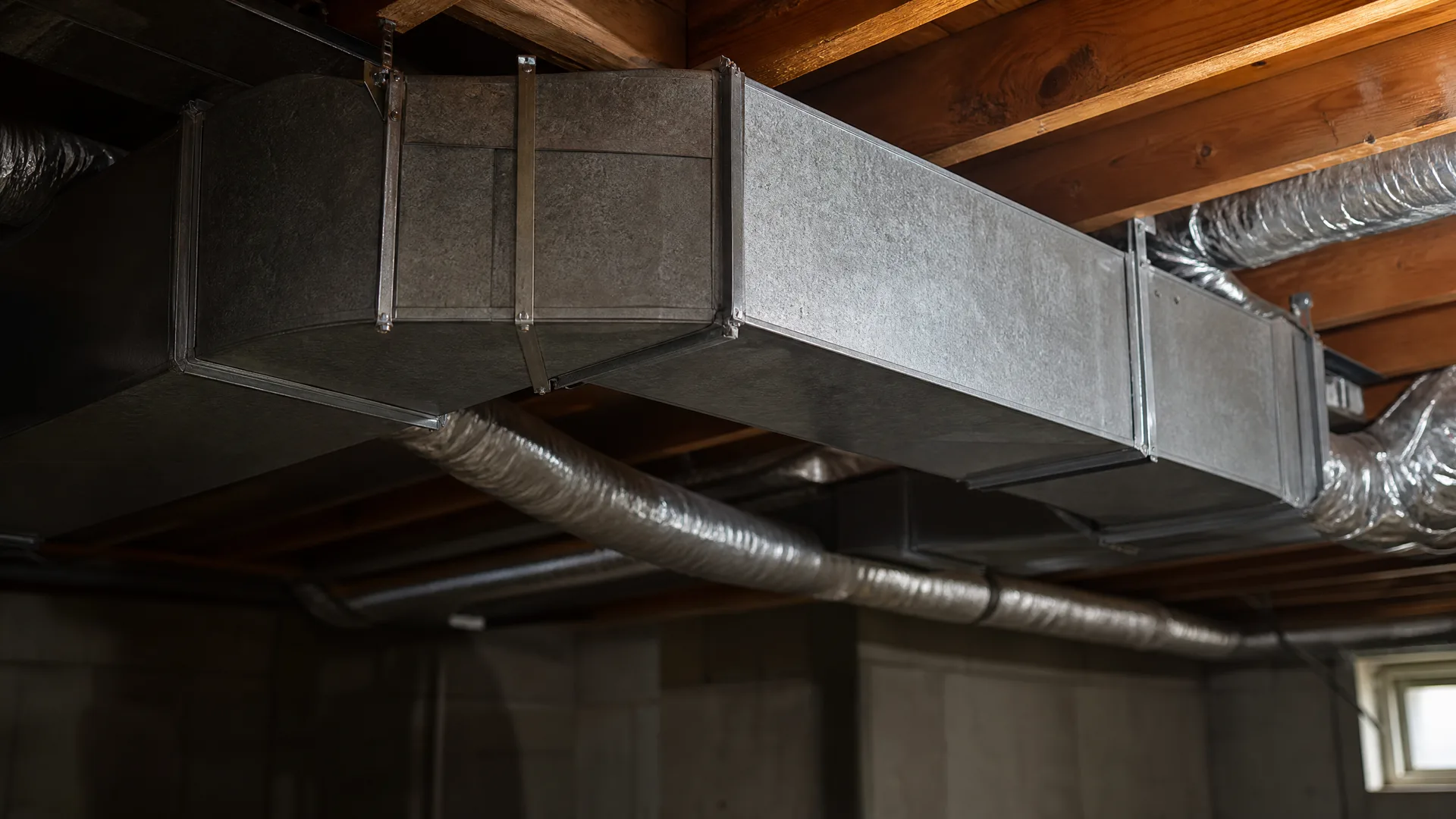
A duct system is built in sections, and every place two sections meet is a joint. That's where it fails. The sheet metal or flex duct itself almost never tears or wears through. It's the seams, the collars, the places where a branch line ties into the trunk. Whoever installed it sealed those joints, and that seal is what gives out.
Where the leak sits matters. On the return side, before air reaches your furnace, a gap pulls in whatever is sitting in the attic or crawlspace, dust, insulation fibers, summer heat, winter cold, and mixes it into the air your furnace is about to condition. On the supply side, after the air is heated or cooled, a gap lets that air spill into the attic instead of reaching the register it was aimed at. Either way you paid to condition air that never does its job.
What was used to seal the joints matters too. Mastic, a paste applied by hand, stays flexible and keeps holding for years. Cloth-backed tape, despite the name, dries out and peels back within a few years, no matter how well it was applied.
Distance plays a part as well. Every leak along the trunk line draws down the air pressure before it reaches the far end of the house. So the room at the end of the run, often the one farthest from the furnace, ends up with the weakest airflow of all.